
| Home | Nature Diary | Flora | Fauna | Fungi | Events |
| Rugs | Dogs/Cats | Smallholding Devon | Smallholding Cornwall | About |
| 2024 | 2025 |
| << October 2025 | November 2025 | December 2025 >> |
|
||||||||||||||||||||||||||||||
|
1st: The magic of Chaser Pond Chaser Pond attracts day and nighttime visitors. These clips are from yesterday afternoon and the early hours of this morning - our illusive heron and our not so illusive pair of foxes - note the strong white tip on the tail of the first! Isn't it magical what goes on when we aren't around?? |
||||||||||||||||||||||||||||||
|
2nd: Fungi finding continues Candlesnuff fungus - Xylaria hypoxylon and Conifer Blueing Bracket - Postia caesia. The later really turns blue so we shall keep an eye on this one. 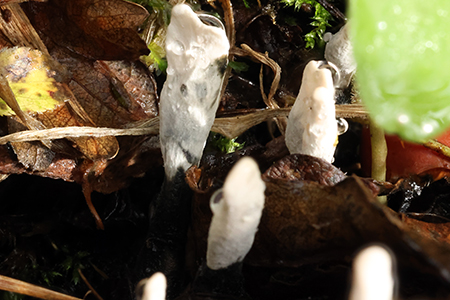 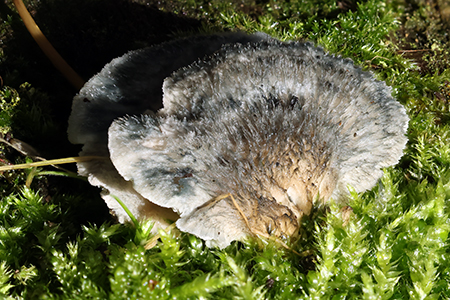 |
||||||||||||||||||||||||||||||
|
3rd: More fungi White Brain - Exidia thuretiana 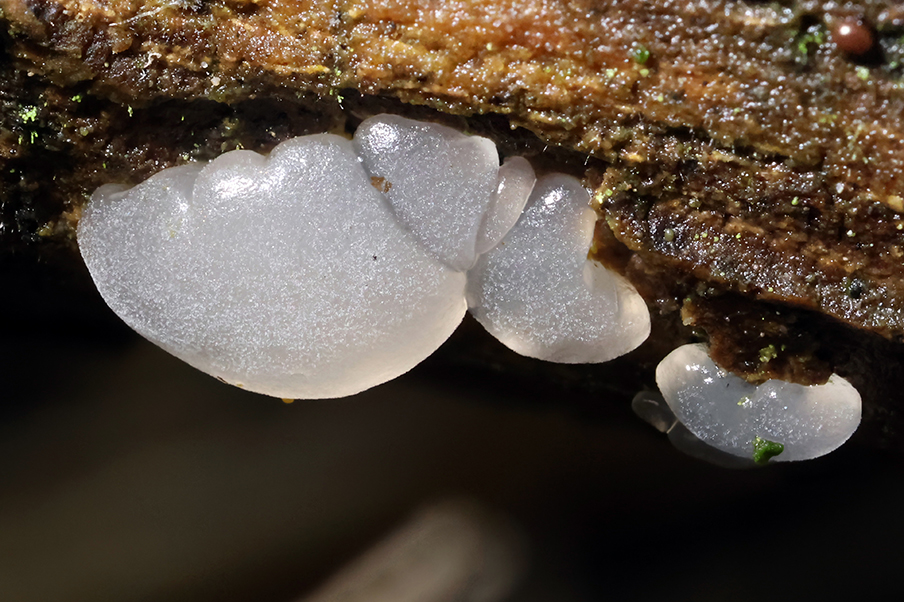 Hairy Curtain Crust - Stereum hirsutum and Turkeytail - Trametes versicolor 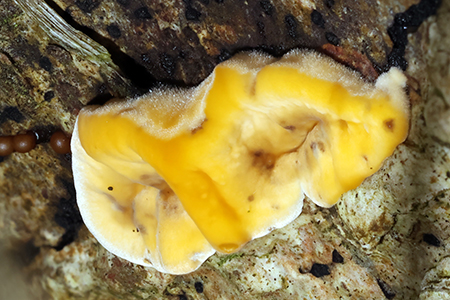 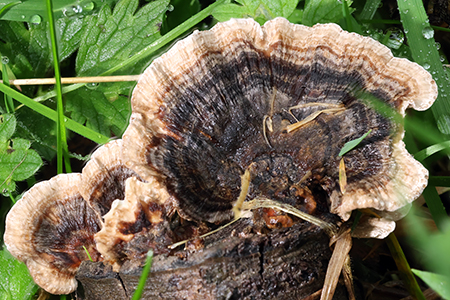 |
||||||||||||||||||||||||||||||
|
4th: Pond Margins This is Goat Pond and in this small area of pond margin, now squidgy under foot, we spent just five minutes trying to ID as many plants as we could and came up with a list of FOURTEEN: Hedge woundwort, Lesser spearwort, Greater bird's foot trefoil, Nettle, Mouse eared chickweed, Common rush, Dock, Gorse, White clover, Creeping buttercup, Dandelion, Water purslane, Spear thistle and Goat willow. I expect had we spent longer, we would have found more - isn't it extraordinary what a bit of water and bare soil will allow in. Pond margins are marvelous habitats - there must be so many animals that are benefiting from this small area of land. We have seen snipe in this field this week. This must be a draw for them... 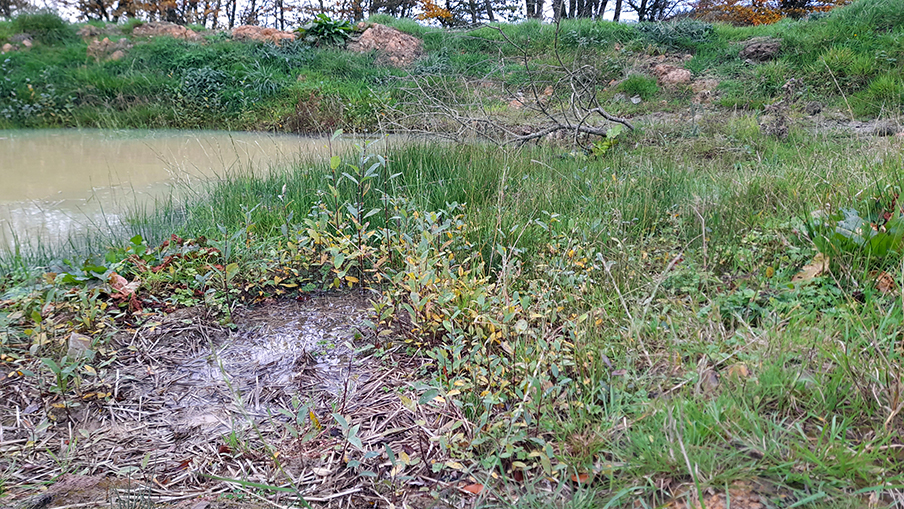 |
||||||||||||||||||||||||||||||
|
5th: Oats Chaser Pond bank is covered in young Oat plants. We have our own mini arable plot!! And where have these come from? We can only conclude from the poo (or pellets) of the corvids and gulls that lived on this bank throughout the summer/ early autumn. This is of course exactly how many plant species find themselves in new habitats. It will be interesting to see how these develop - will they bear seeds next year and feed another generation of birds who will then disperse some of the seeds elsewhere? Watch this space. 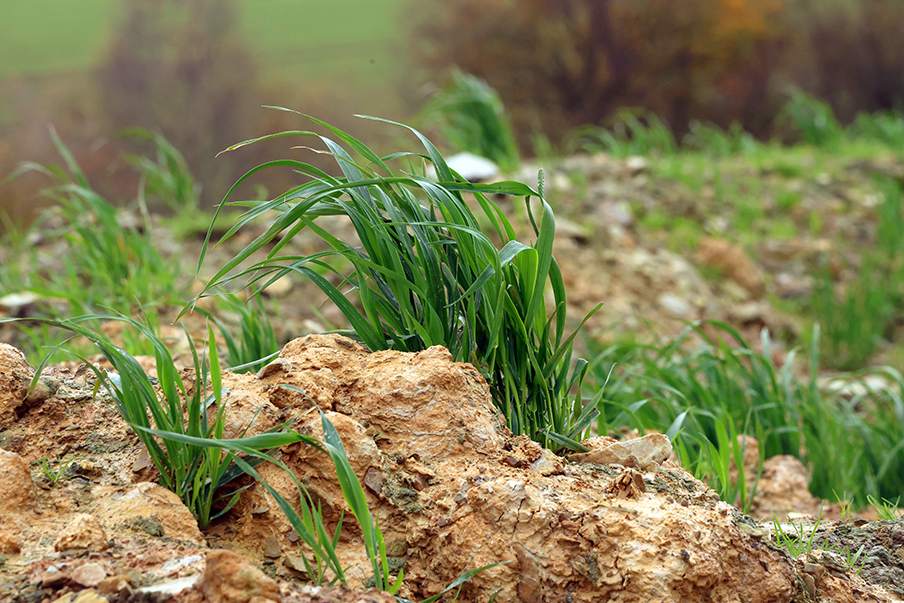 |
||||||||||||||||||||||||||||||
|
6th: River Skater Most of us are familiar with pondskaters and we have had literally have hundreds on our ponds this year (we are still seeing some too).. This one is NOT the Common pondskater (Gerris lacustris) though as it is about twice the size - it looked to us like the ones we see on rivers: Aquarius najas, known, funnily enough, as River pondskaters but these are not massively common and of course our pond is NOT a river. Both Obsidentify and iRecord have however, agreed with our ID with the latter sending notification of an authorised verification (i.e. from a 'real' expert).Any thoughts?? But above all else, can anyone explain what this behaviour is about?? It's all quite The behaviour is intriguing, suggestions so far include: a way of detecting prey perhaps, removing a parasite, attracting a mate?? The first has the most merit but we are not at all sure. |
||||||||||||||||||||||||||||||
7th: More fungi, but needing IDs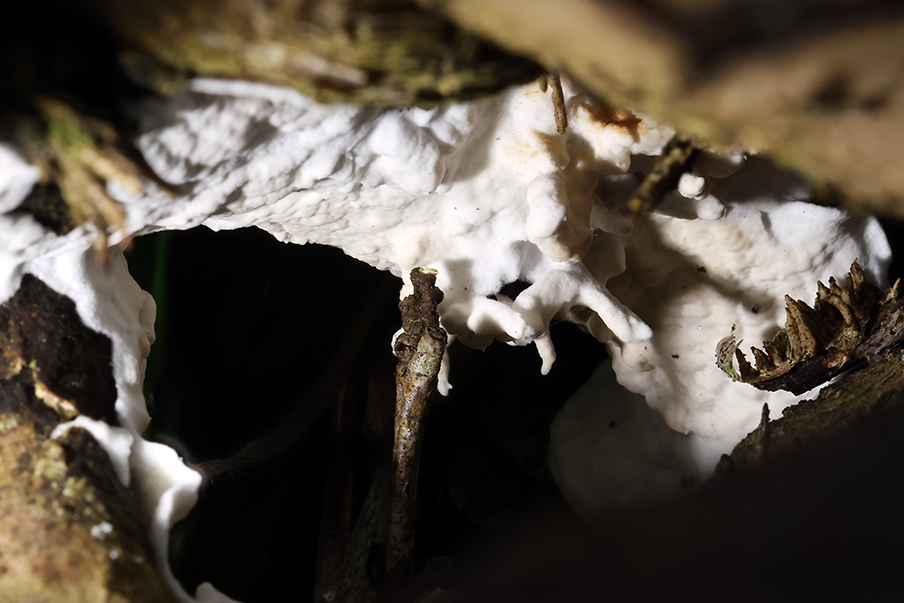 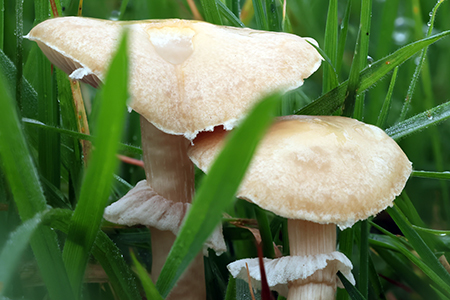 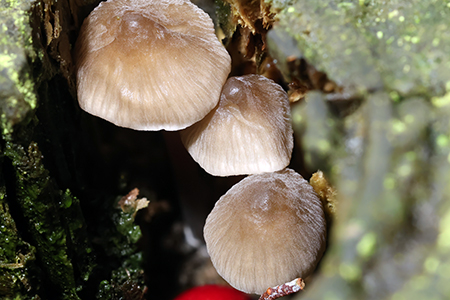 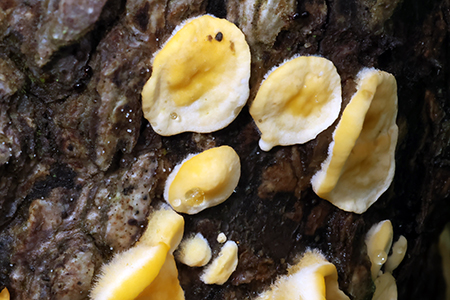 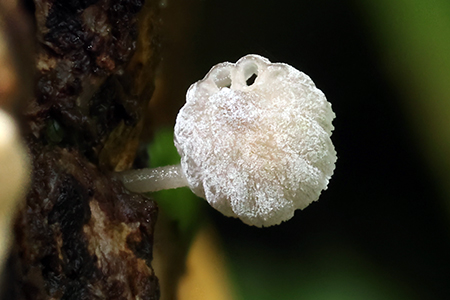 |
||||||||||||||||||||||||||||||
|
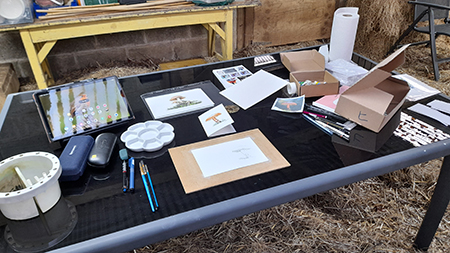
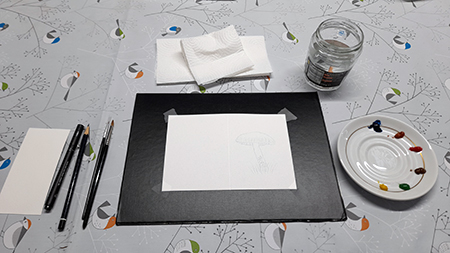
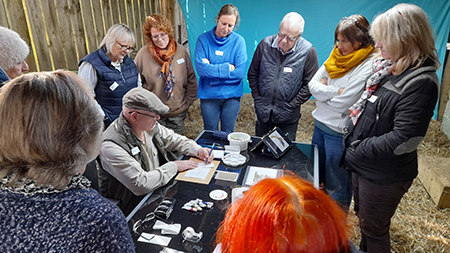
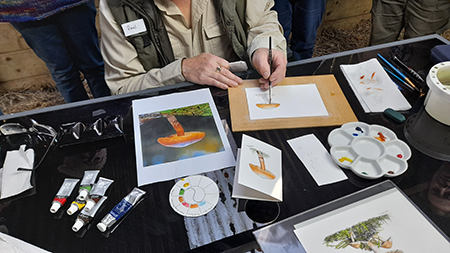
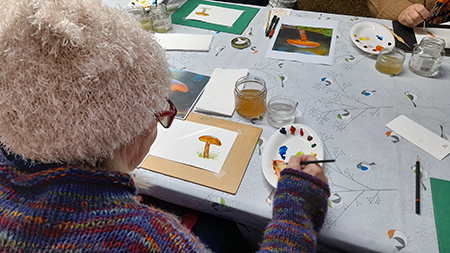
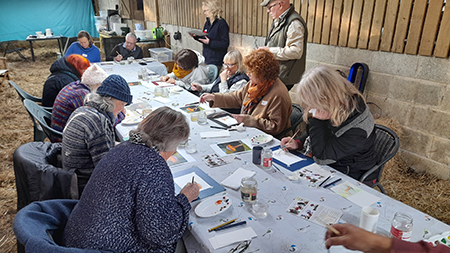
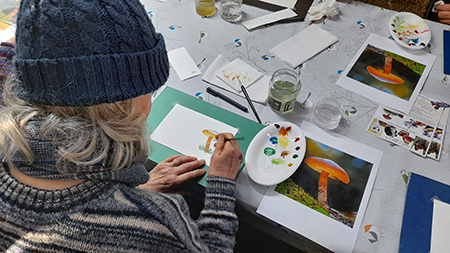
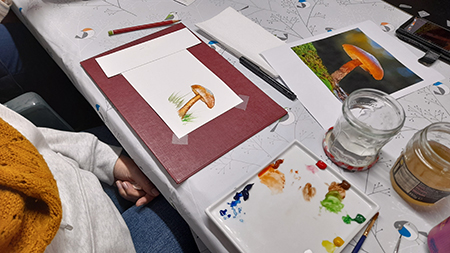
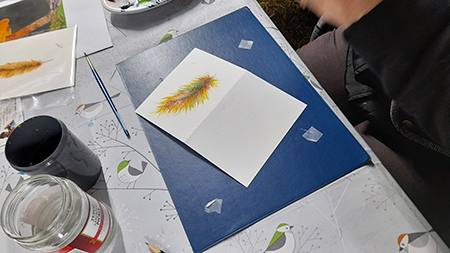
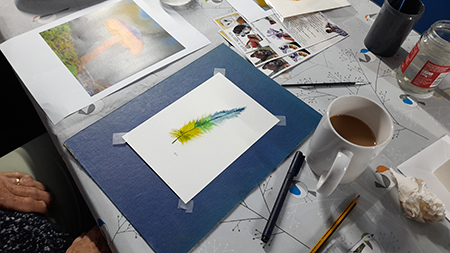
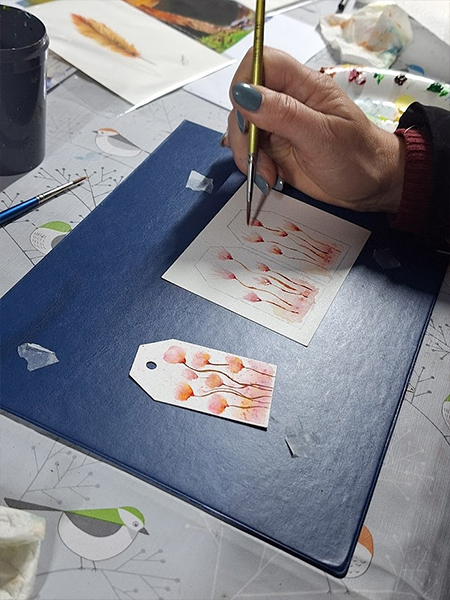
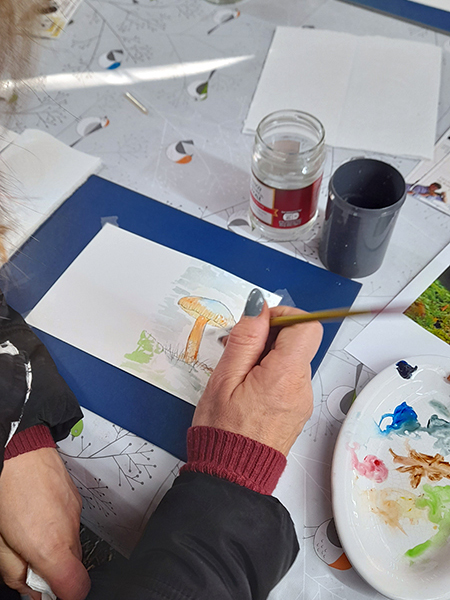
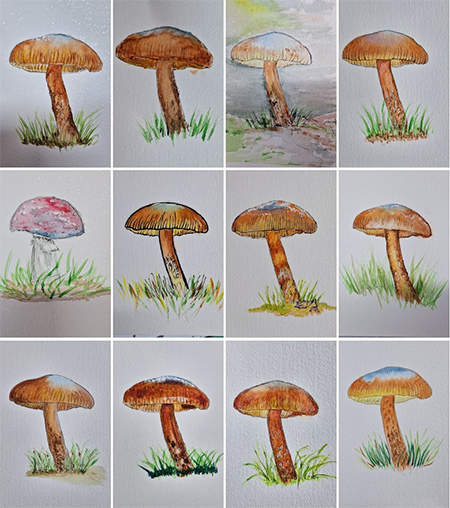
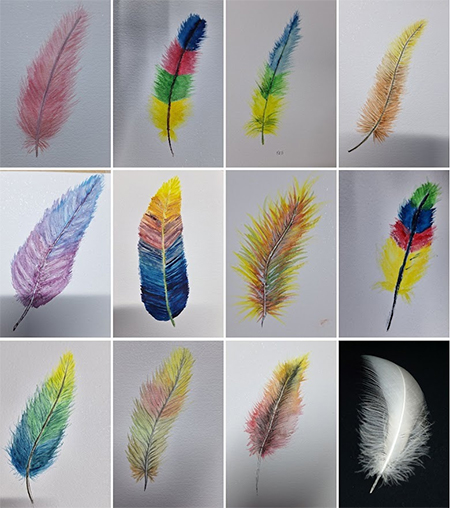
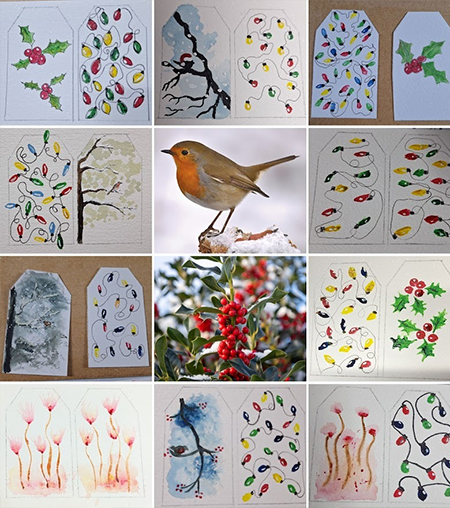
8th: Wildlife in Watercolour Another stunning wildlife craft event afternoon here at the Relaxed Sanctuary at Cadbury Cottage. Paul Hopkinson aka The Devon Artist led a watercolour workshop enabling people to paint fungi and feather cards and then design their own gift tags! Paul was a superb teacher and we had lots of very talented artists. Huge thanks to everyone who came and to Jo Everitt for making sure everything ran like clockwork (and then made the tea and coffee as well). Thanks to Jo too for some of the images below! These events are a joy to host - we love meeting so many lovely people, sharing our space with them, encouraging everyone to love and help nature as much as we do/can and seeing such talent across so many fields. 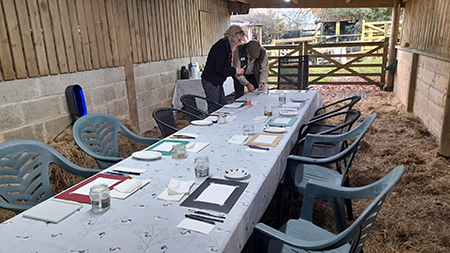

  |
||||||||||||||||||||||||||||||
|
9th: Dog's Vomit and Pheasant in a tree This is Dog's Vomit Slime mould - Mucilago crustacea. Perfect description. Slime moulds are neither plant, animal nor fungi but are a separate kingdom called Protista. They are actually single celled organisms that collect together and are capable of 'en-masse' movement. It's the stuff of science fiction but it's happening on a piece of ground near you. These slime moulds are often found in grasses. 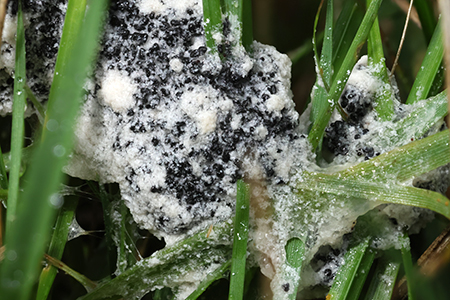 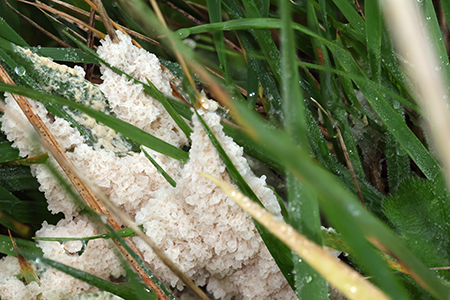 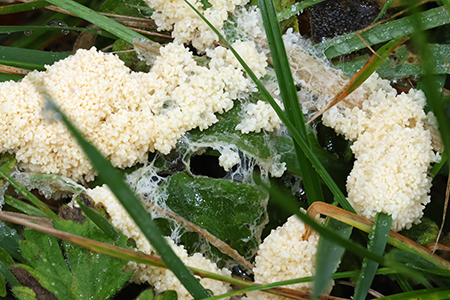 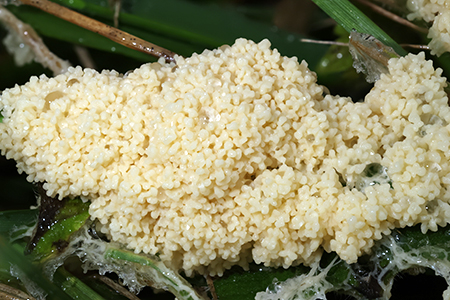 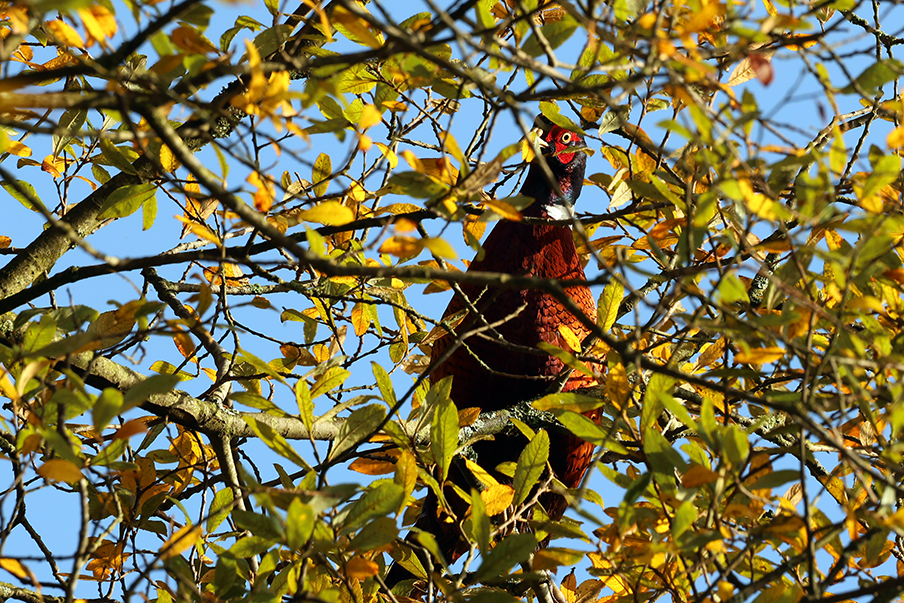 |
||||||||||||||||||||||||||||||
|
10th: Cats and rugs - Serious Quality Control |
||||||||||||||||||||||||||||||
|
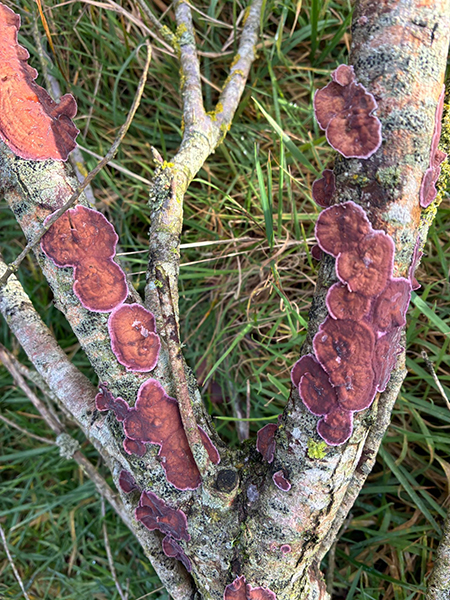
11th: Fungi and Lichen This Silver leaf fungus Chondrostereum purpureum is growing on a fallen willow sapling in the Birthday hedge (between us and Edward's). It is entirely possibly that this fungus is what caused the death of the tree!! It is now very much enjoying the dead wood and there is lots growing. And alongside we have two lichens (even harder to id than fungi): the black is ecidella elaeochroma and the paler, a Lecanora species, known as 'rim' lichen (very apt). There is a whole unexplored world out there amongst the fungi, slime moulds, lichen, mosses... We are lucky to secured the services of a fungi expert to do a guided walk round our land at the end of the month. We cannot wait to become a little bit more enlightened. 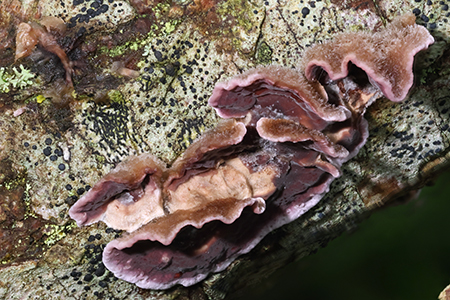 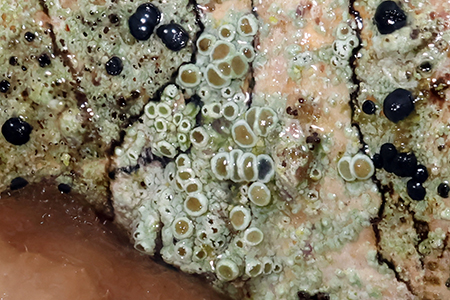 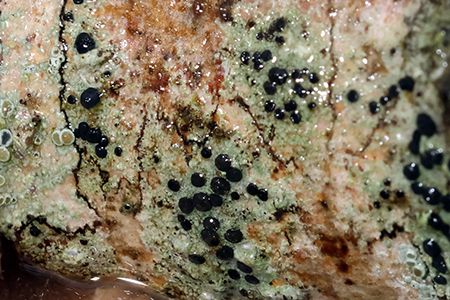 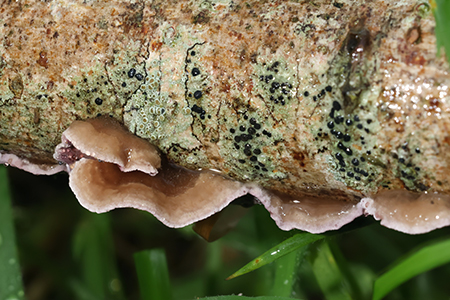 |
||||||||||||||||||||||||||||||
|
12th: Ponds today! We do keep changing the names so I hope everyone is keeping up (we are only just...) Poultry 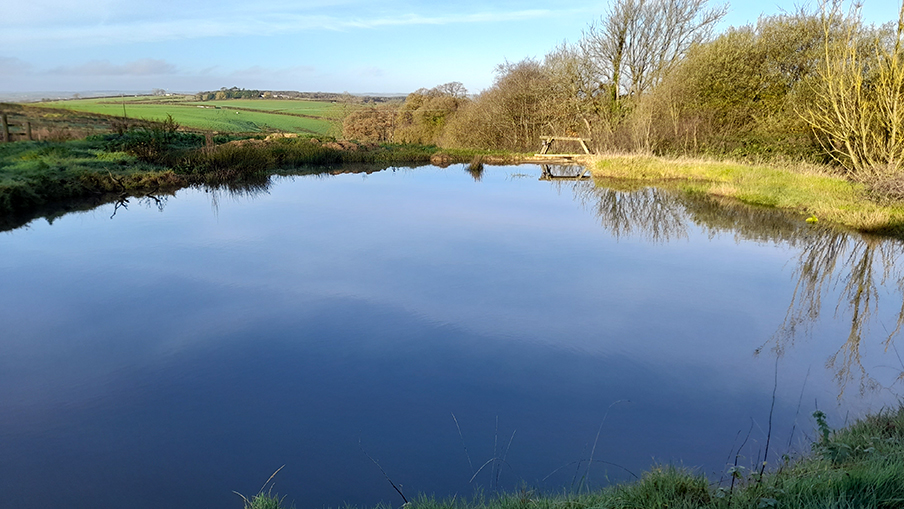 Goat 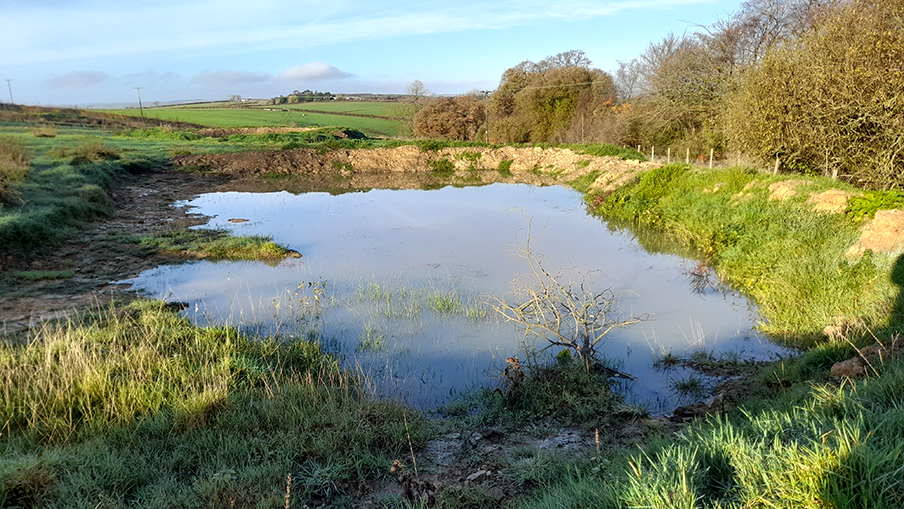 Rabbit 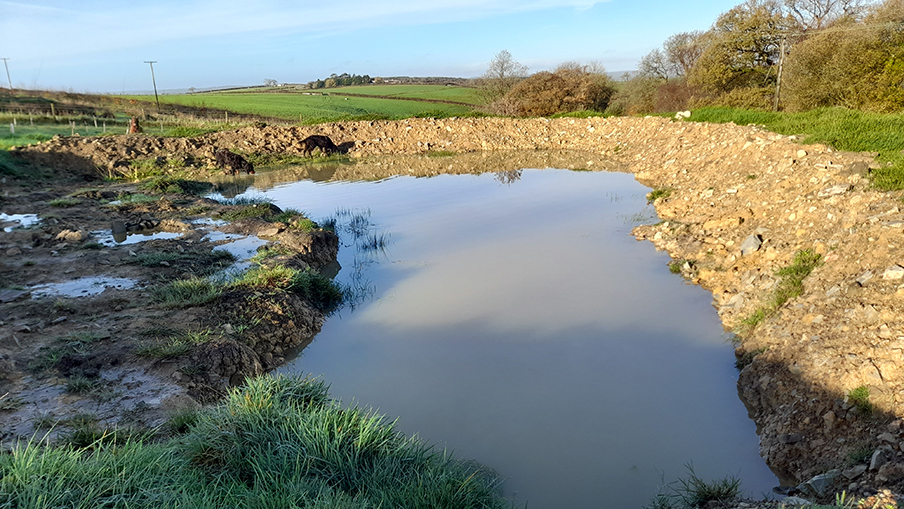 Oak 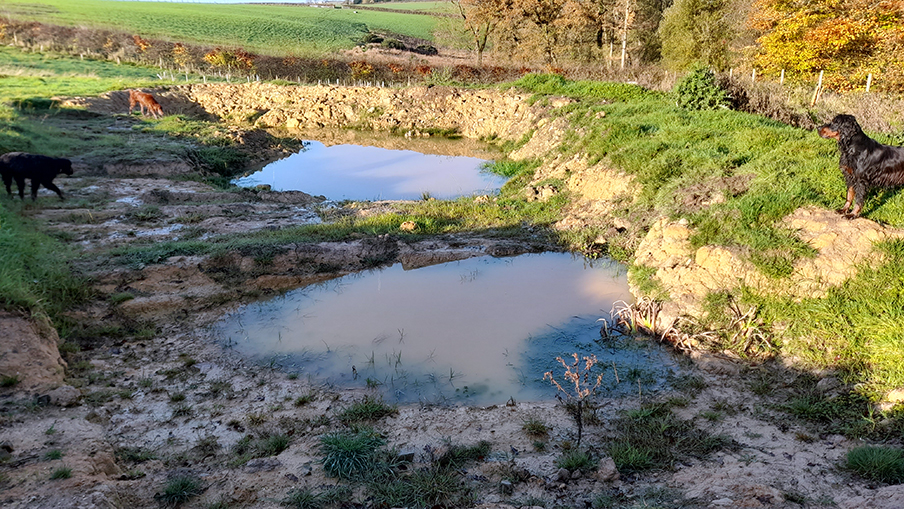 Chaser 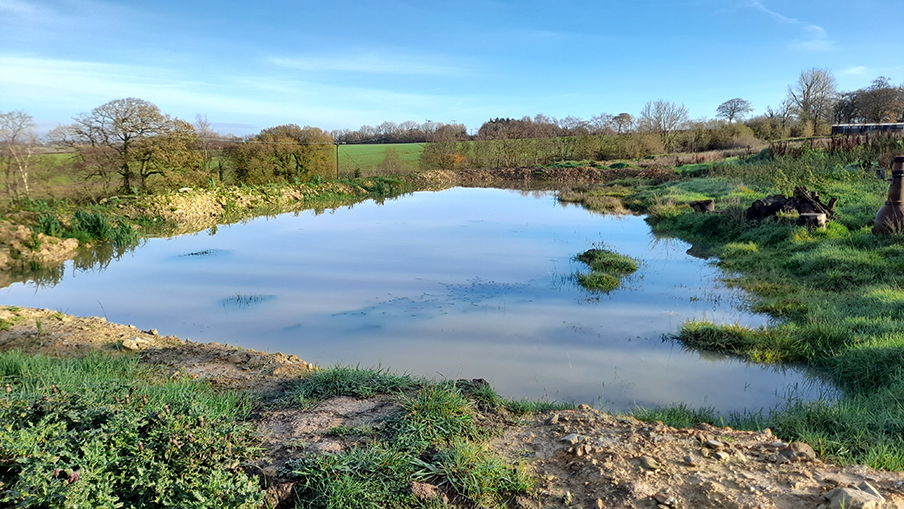 Small Chaser 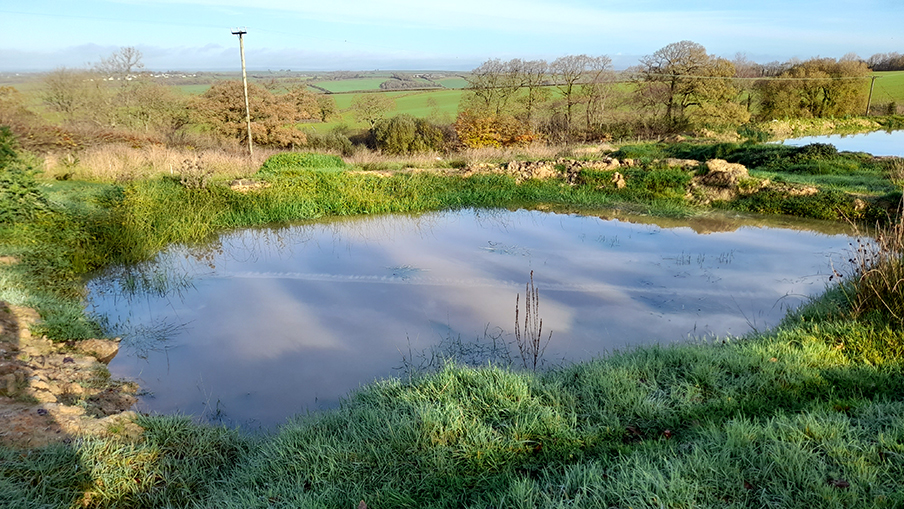
The Clay Pit 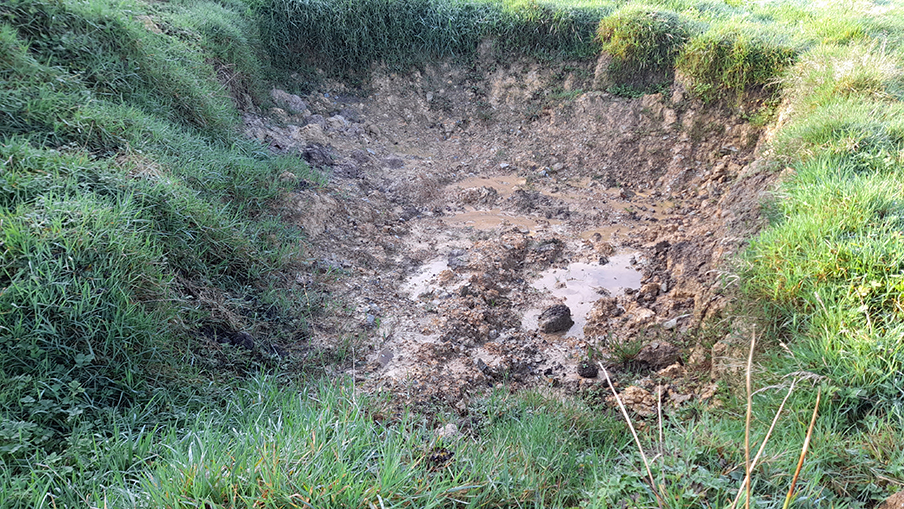
Yeti 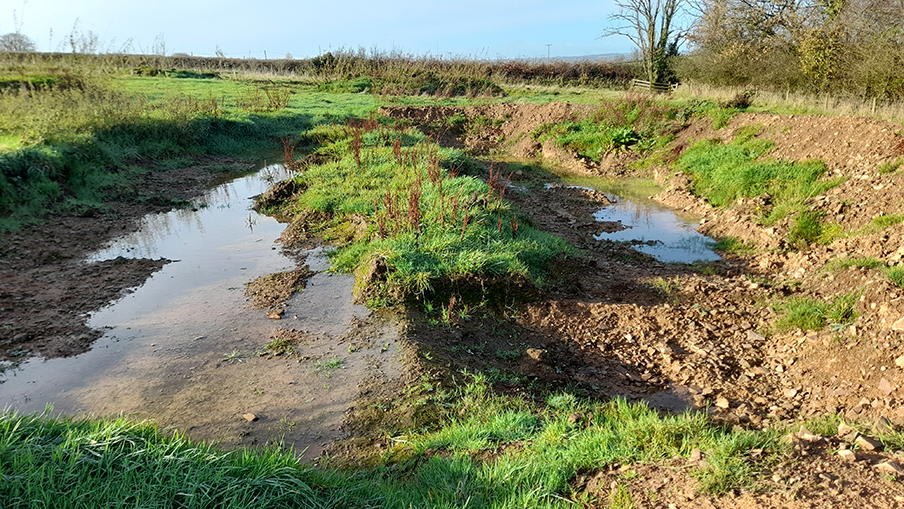 Swallow 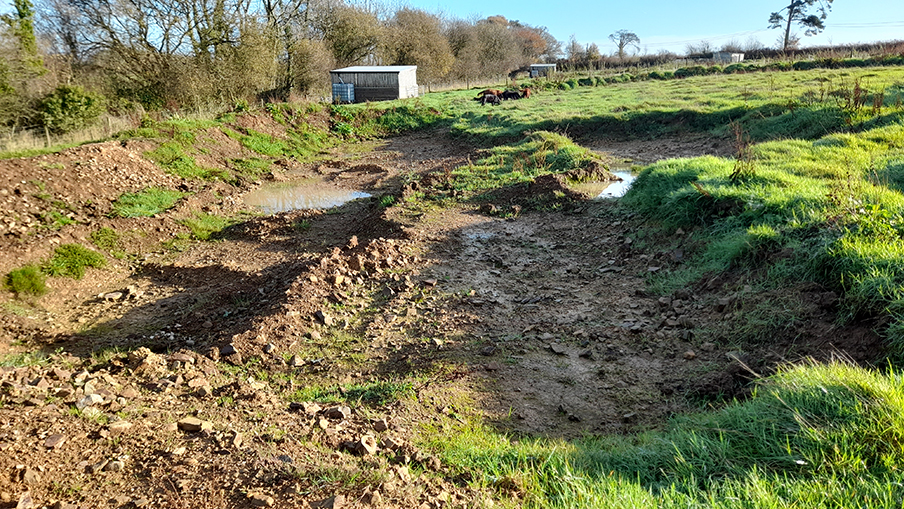 Fruit 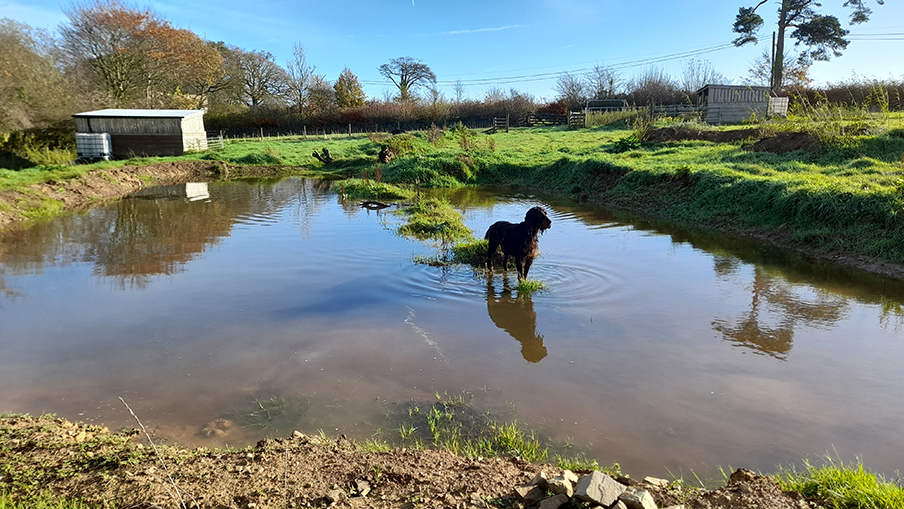 |
||||||||||||||||||||||||||||||
|
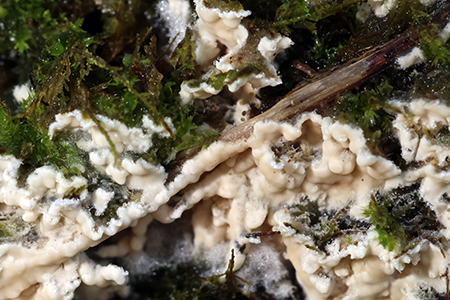
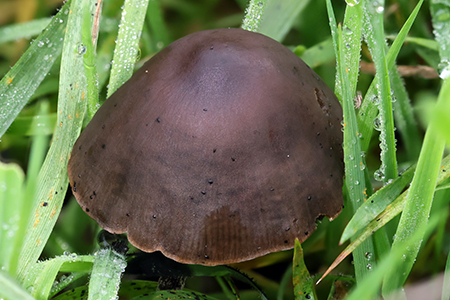
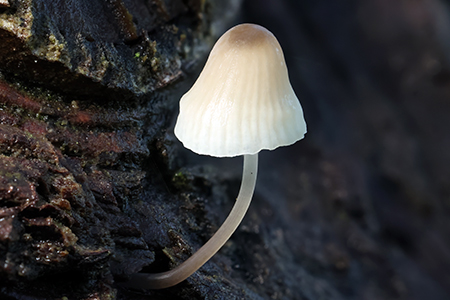
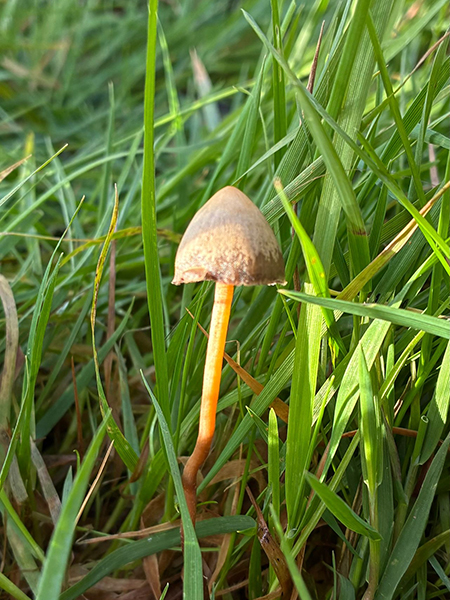
13th: More fungi to ID!! The Mycena, classic looking 'mushrooms' with thin stalks, are soo hard to ID 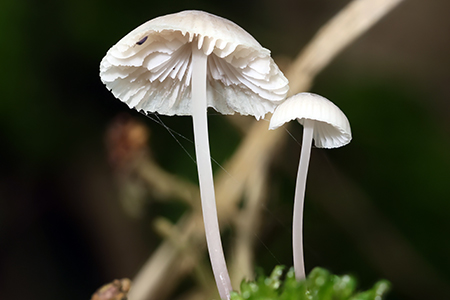
 |
||||||||||||||||||||||||||||||
|
14th: It's all go at the Bird Feeding Station Love seeing the starlings like this - fortunately they are not so dominant that the smaller birds get pushed away, as the second video shows!! |
||||||||||||||||||||||||||||||
|
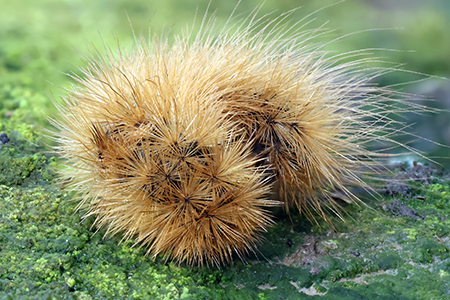
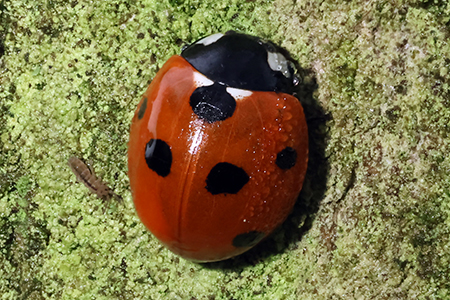
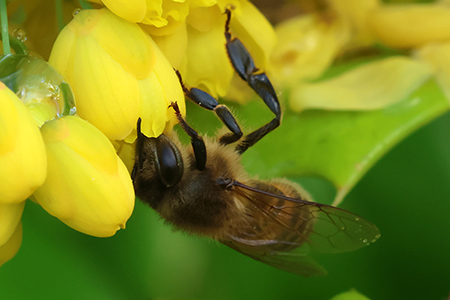
15th: Insects It's still warm and we are still seeing a fair few insects out and about, especially when the sun provides a bit of warmth. These are from the last week: a Rusty Dot Pearl moth, a Ruby Red Moth caterpillar, a 7-Spot ladybird and a Honey Bee. We are also seeing the odd Red Admiral and Yellow Dung flies. Not all insects totally hibernate, although hibernate is actually the wrong word really. A better word is 'diapause' where insects pause their lifecycle at different stages, such as an egg, larva, pupa, or adult. They essentially enter a stage of suspended animation where their bodies totally slows down in order to conserve energy. Interestingly, most butterflies hibernate as the 'larval' stage, not, as we thought would be the most common, as pupa. 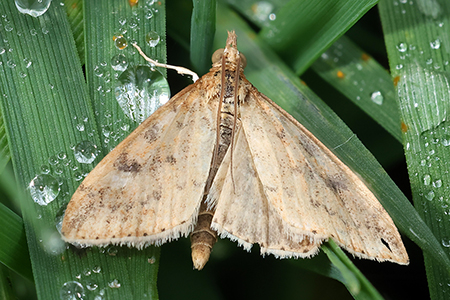
 |
||||||||||||||||||||||||||||||
|
16th: Fungi This has been ID-ed as the slime mould Diderma hemisphaerica (with the help of two fab FB mycology groups) and as the bottom right insert shows is very tiny. I think the individual parts are Sporangia: the fruiting parts which release the spores that then grow into the Amoebae. Thee Amoebae are the start of the slime mould life cycle. Honestly there is so much to learn. There are over 900 known slime moulds in the world but as with fungi, the actual number is said to be higher (lots left to discover) and many of these 900 have been found in the UK. 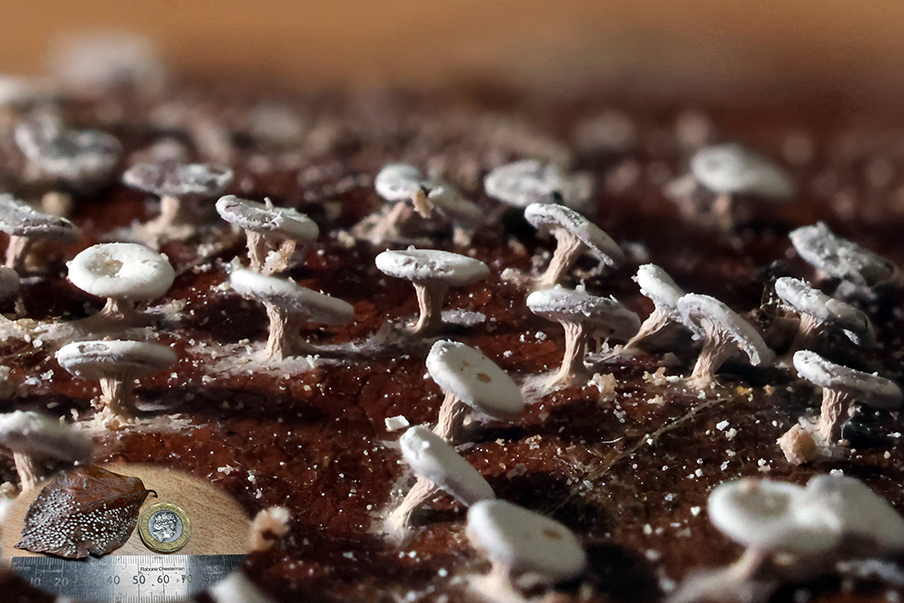 |
||||||||||||||||||||||||||||||
|
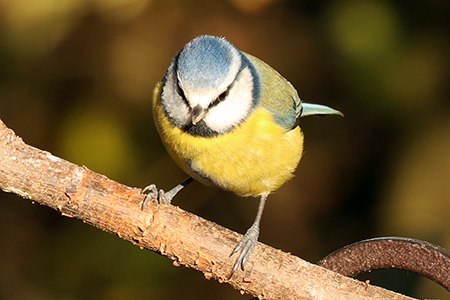
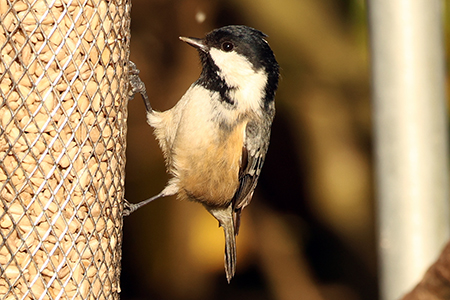
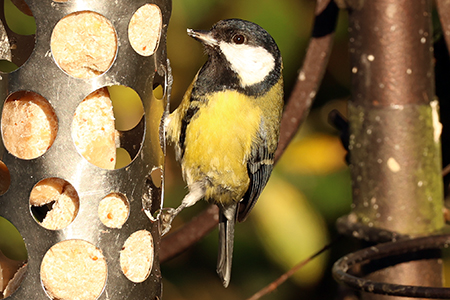
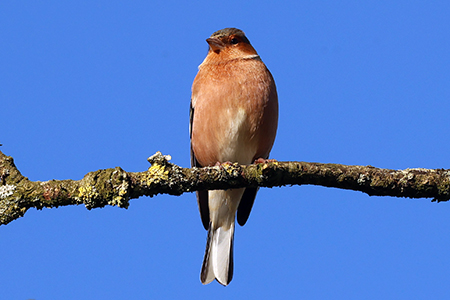
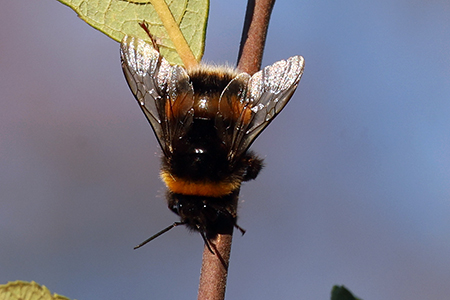
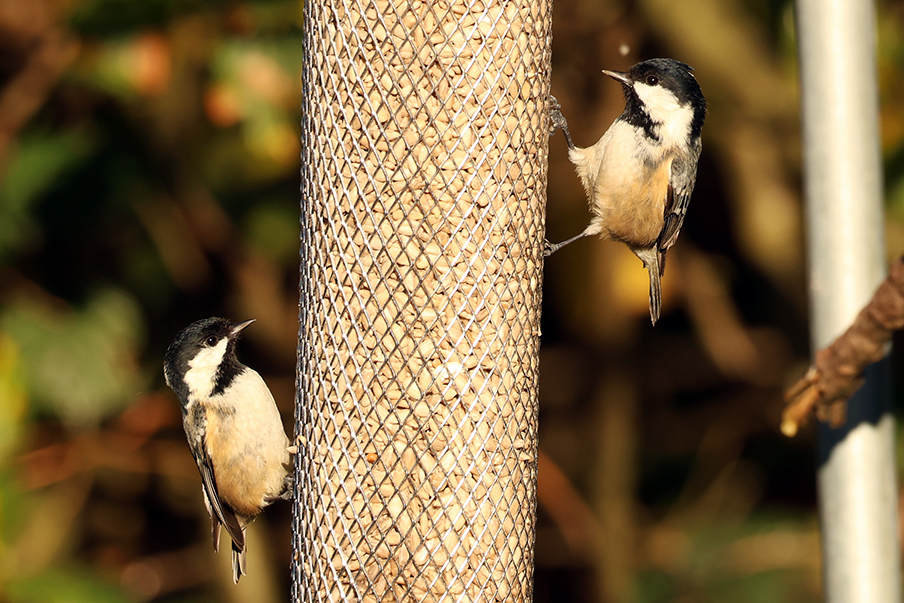
17th: A sunny day at the Bird Feeding Station and beyond As well as an 'Odd One Out' 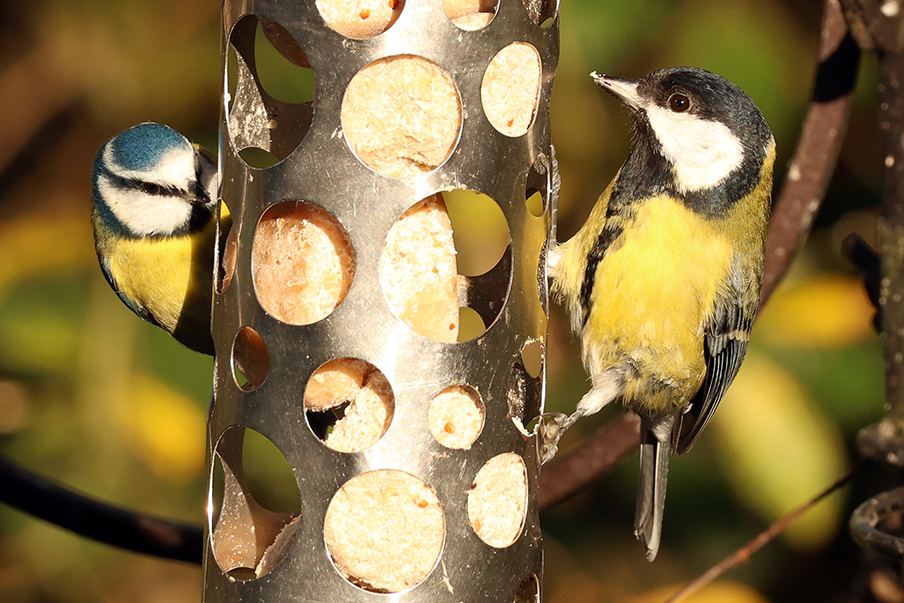 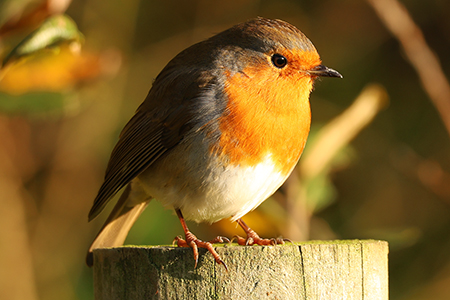
  |
||||||||||||||||||||||||||||||
18th: A Birthday Rainbow!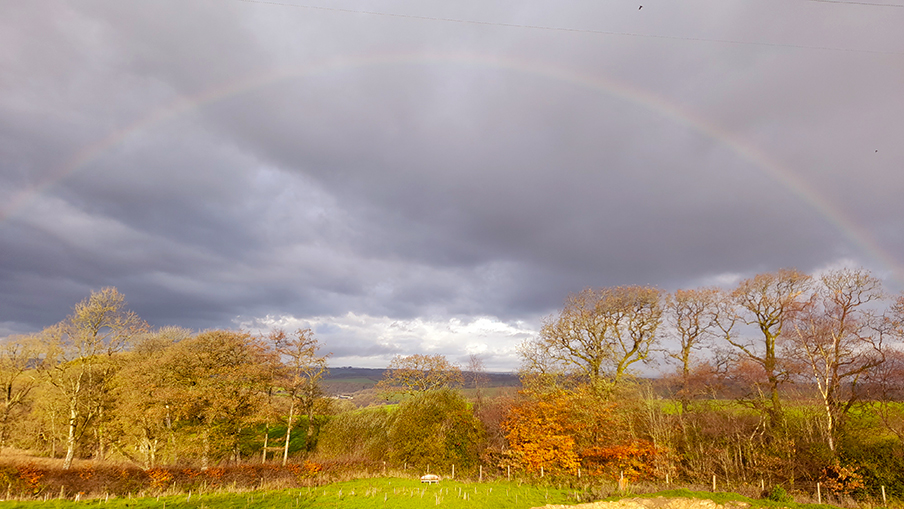 |
||||||||||||||||||||||||||||||
|
19th: Stunning light There are no animals in this clip - the trailcam was simply activated by the wind - bit what a stunning dawn light over the water!! So peaceful. |
||||||||||||||||||||||||||||||
|
20th: Foxes It's wonderful to see our two foxes out and about on the land each night - both are looking delightfully healthy!!! |
||||||||||||||||||||||||||||||
|
21st: Our first proper frost of the year Poultry Pond 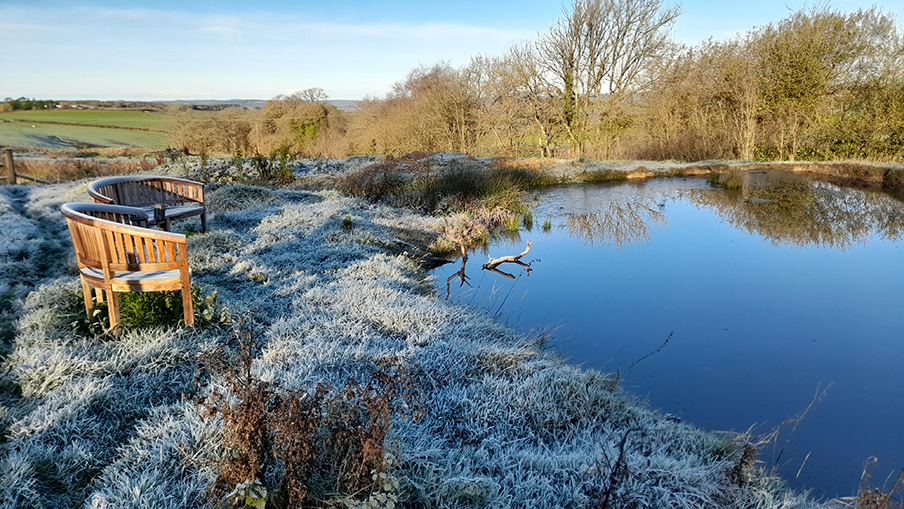 Goat Pond 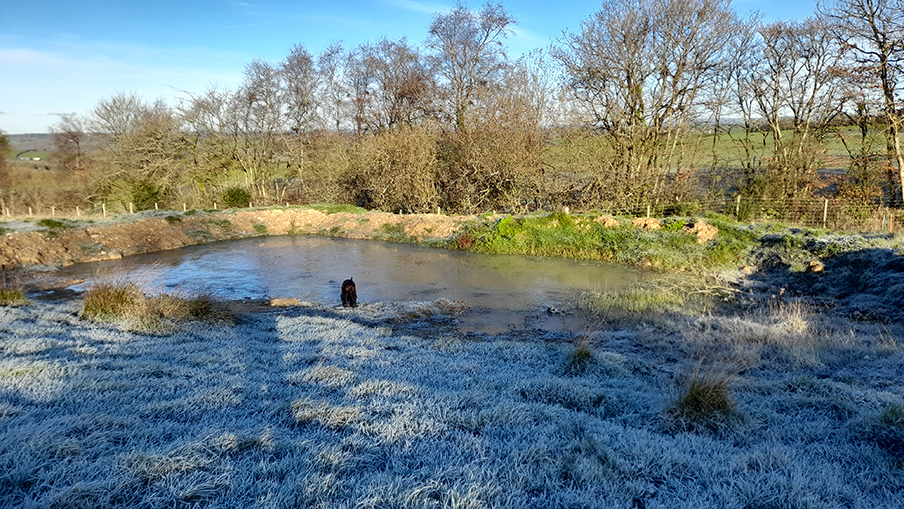 Rabbit Pond 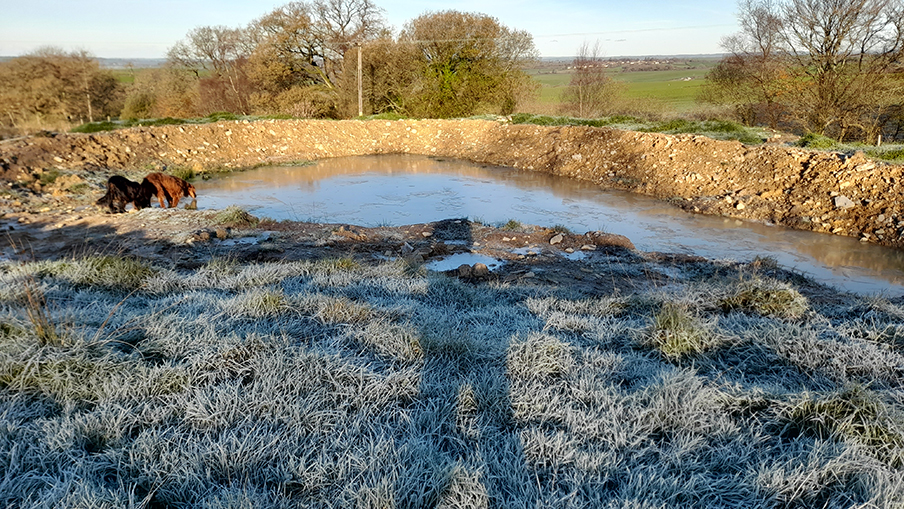 Oak Pond 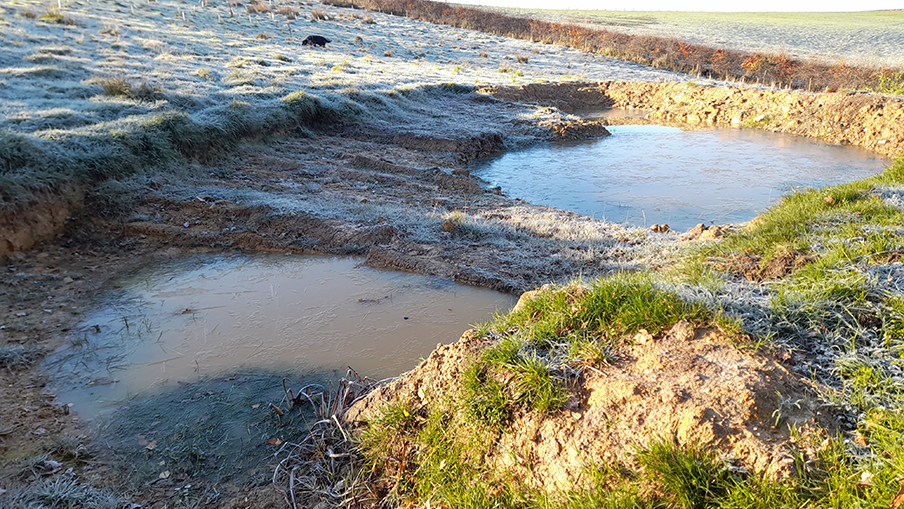 Oak Pond 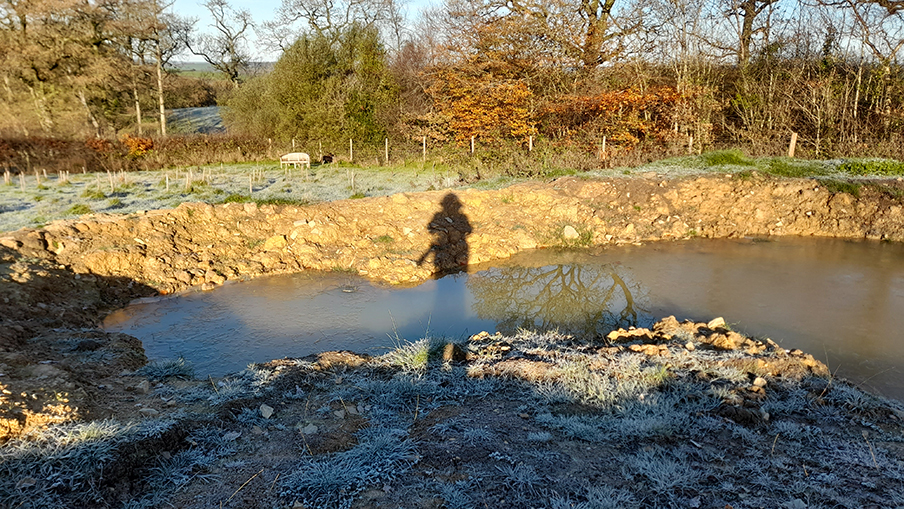 Oak Field 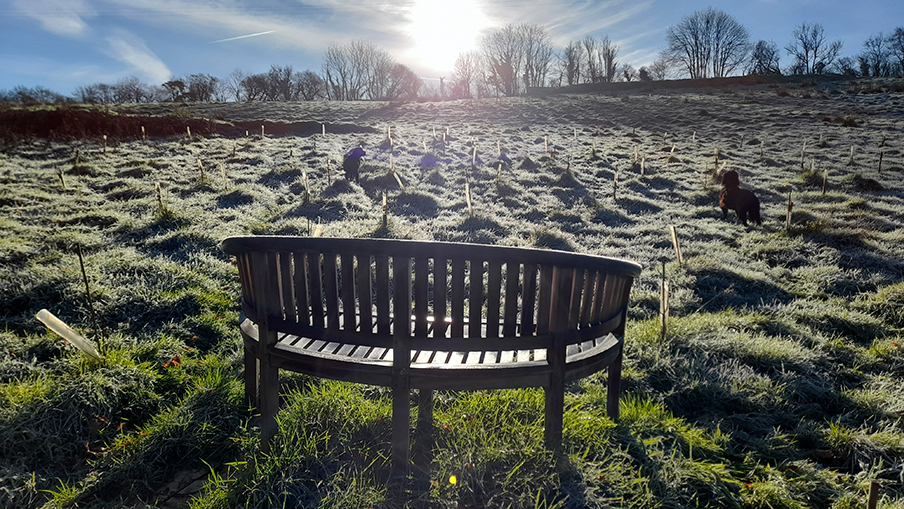 Chaser and Little Chaser Ponds 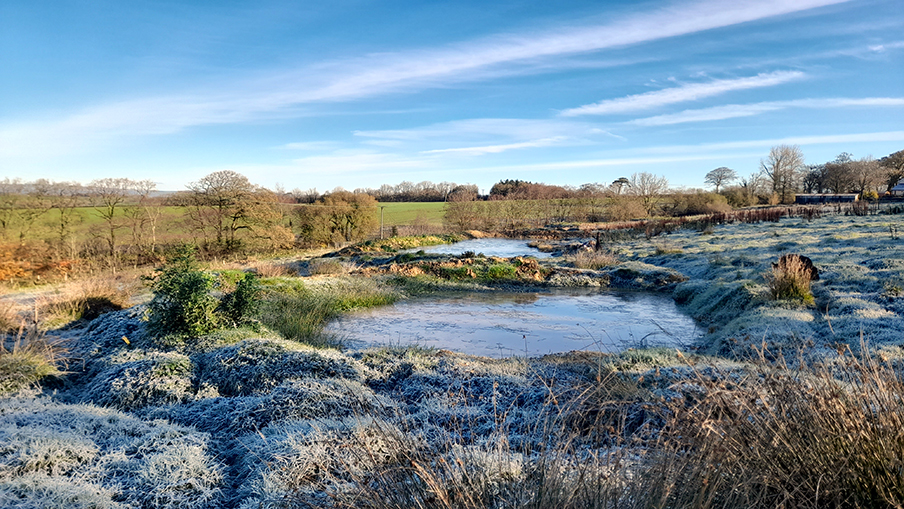 Yeti Pond 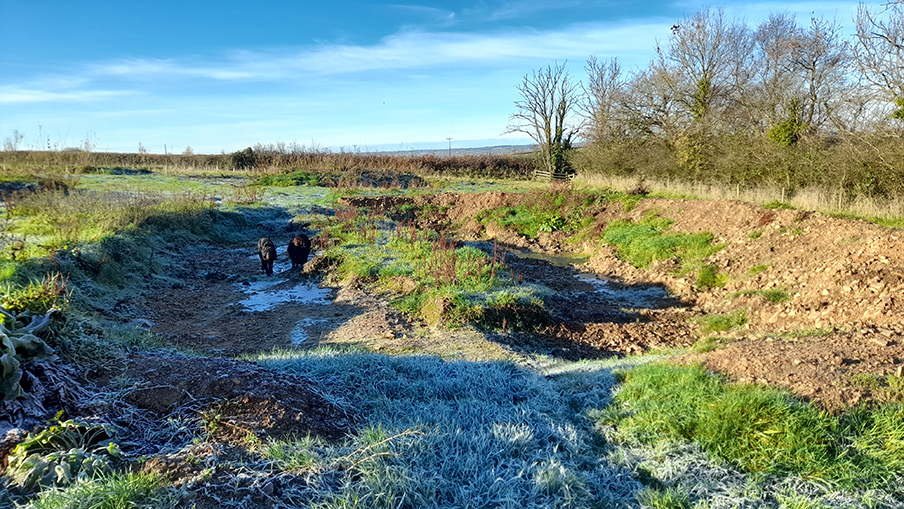 Swallow Pond 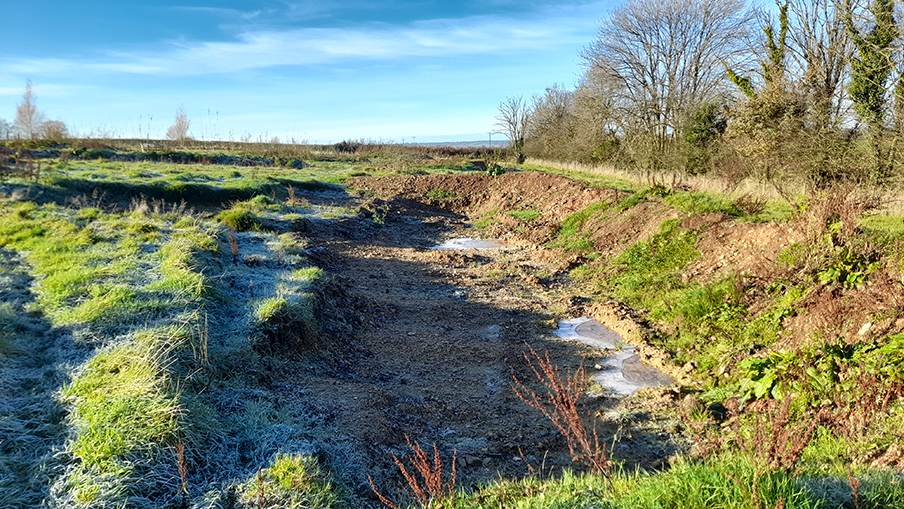 Fruit Pond 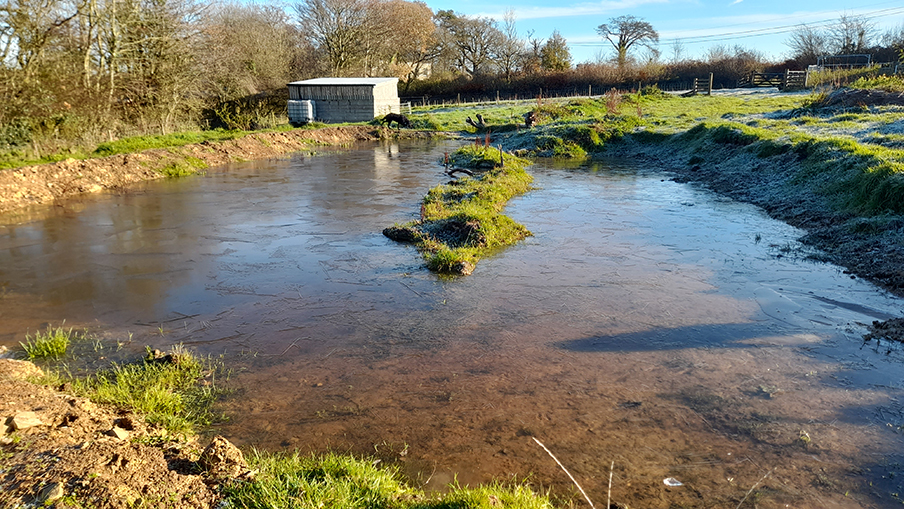 |
||||||||||||||||||||||||||||||
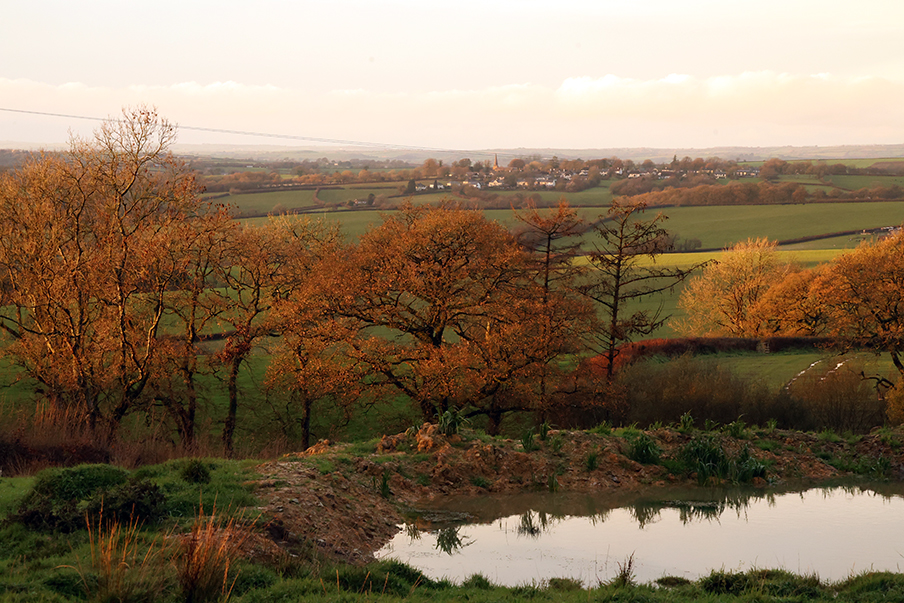
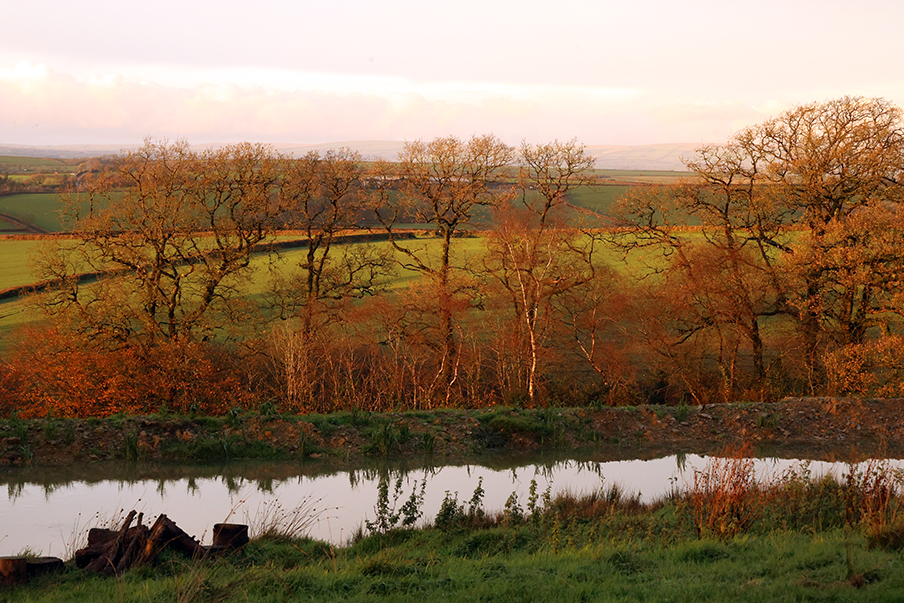
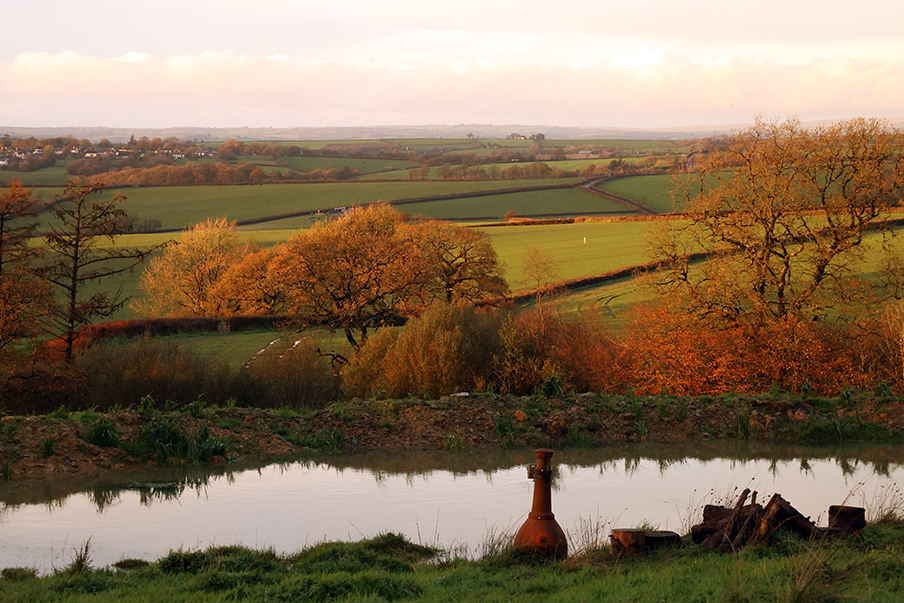
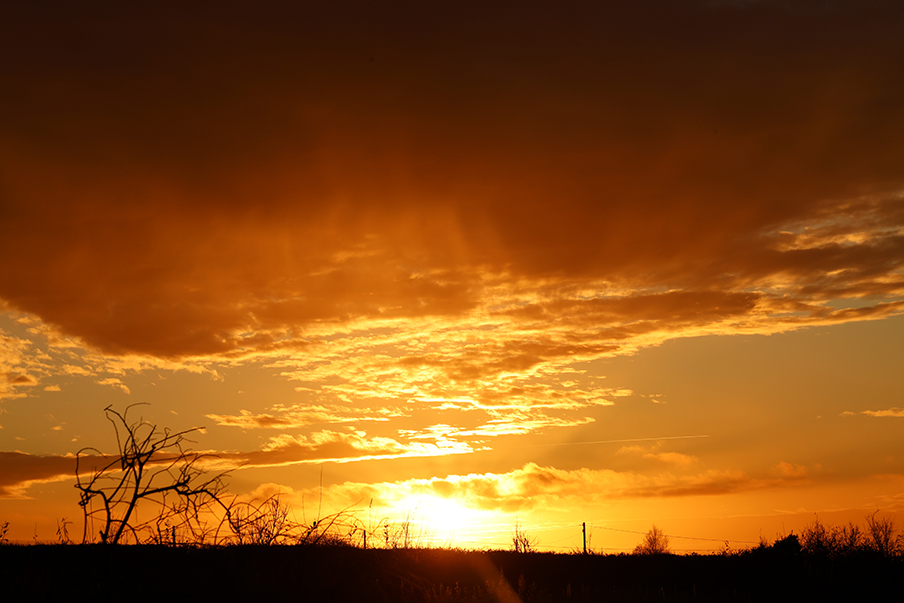
22nd: Late afternoon light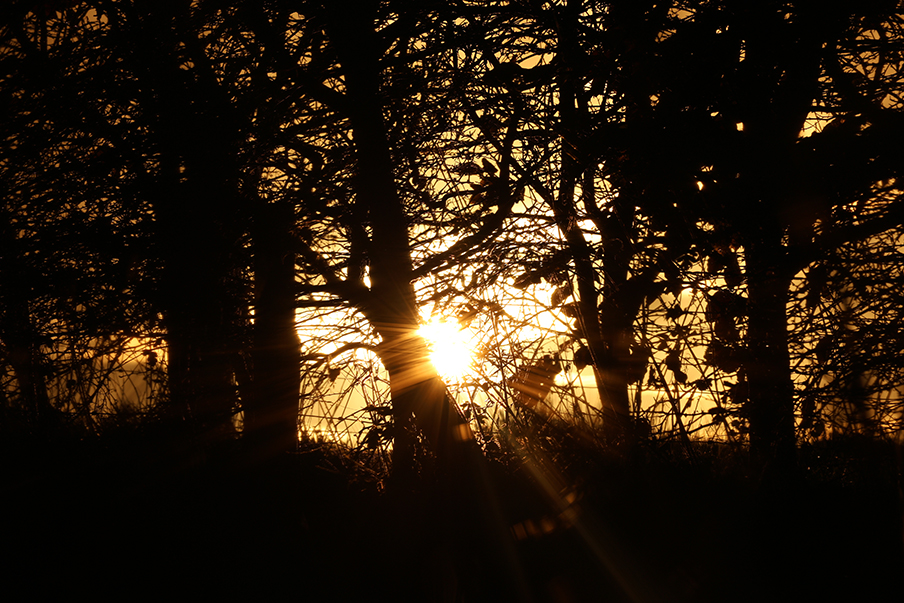
 |
||||||||||||||||||||||||||||||
|
23rd: Tiny fungi The ivy leaf this fungi is growing on is about 2cms in width, so the actual fungi was around 2mm if that. Not the best photo for detail but for scale it's great!! And we have no idea what this fungi is!!! 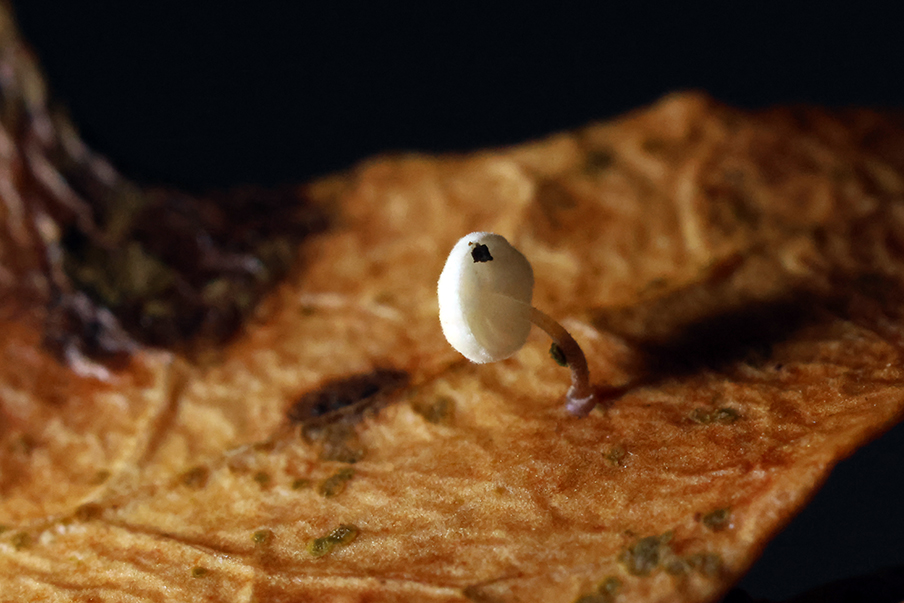 |
||||||||||||||||||||||||||||||
|
24th: Fieldfare Fruit pond - and we are pretty sure that is a fieldfare standing tall and proud on the bank there. Love that reflection. |
||||||||||||||||||||||||||||||
|
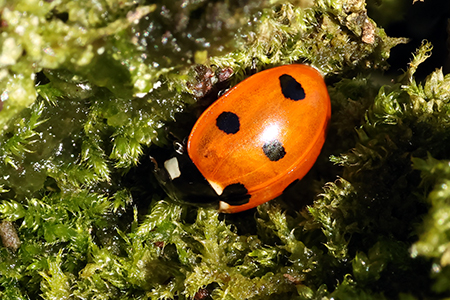
25th: Gloriously sunny A fabulous day with great light. And some wonderful photo opportunities Our 'Oak field' robin enjoying a good preeening on a fence post plus a ladybird all snuggly in the moss. 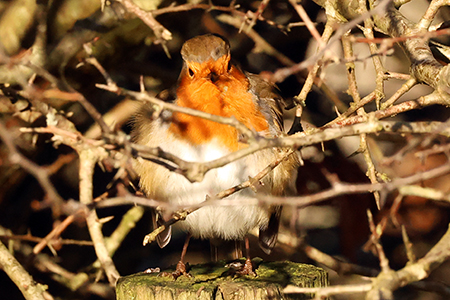
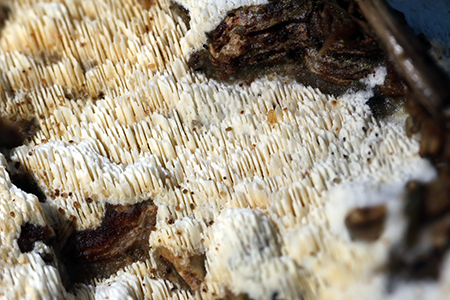
Split porecrust fungi on pine logs by Casher pond, the second being a macro shot of the gills which are barely visible with the naked eye but give the fungi a whole lot more surface area to release all those spores. 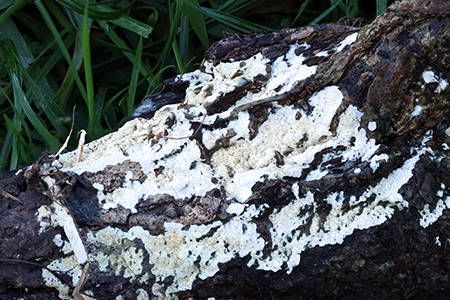
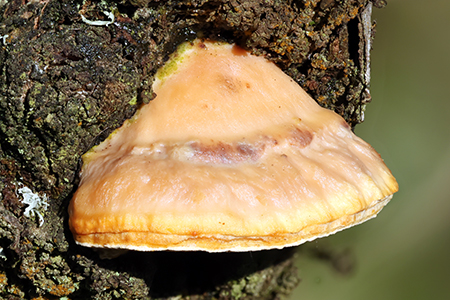
 Blushing bracket fung (so called cos when bashed or cut, it turns red) in the inner hedgerow of Swallow field. 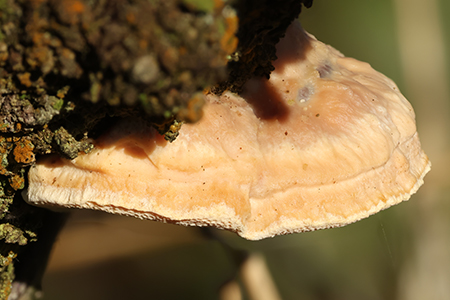
 |
||||||||||||||||||||||||||||||
|
26th: Starlings Starlings bathing in Fruit Pond in the most amazing light |
||||||||||||||||||||||||||||||
|
27th: More Starlings Magic
|
||||||||||||||||||||||||||||||
|
28th: Land and water In a paper published in 'Proceedings of the National Academy of Sciences' in 2023, it was estimated that 59% of all species on earth live in the soil, making it the most diverse habitat on earth - this includes 90% of all fungi, 85% of all plants and 50% of all bacteria - but only 3% of all mammals, One teaspoon of healthy soil can contain up to a billion bacteria. Conversely 78% of all fauna (in terms of biomass) can be found in water (Our World in Data). And it is now well documented that the UK is one of the most nature-depleted countries in the world. State of Nature Just looking at these two pictures, and thinking how much wildlife will be hibernating/ remaining dormant in these colder winter months, looking after our 'land' has never felt so important. 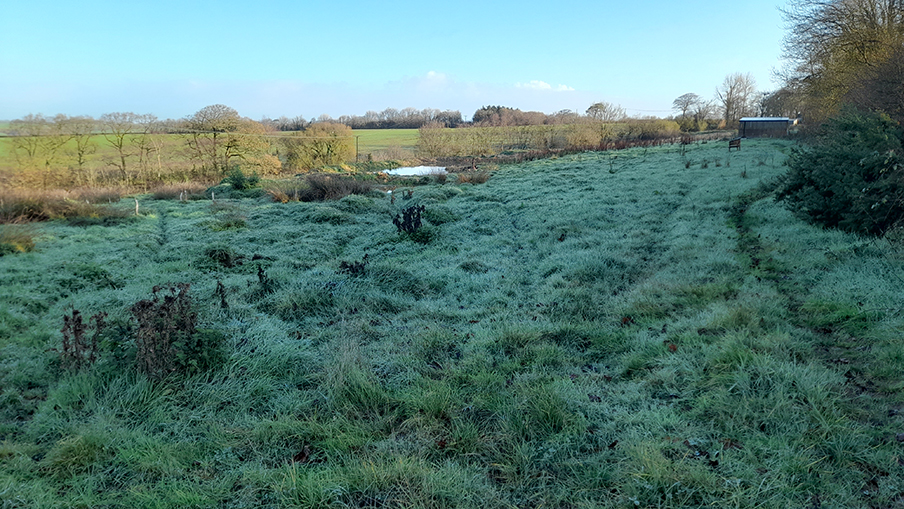 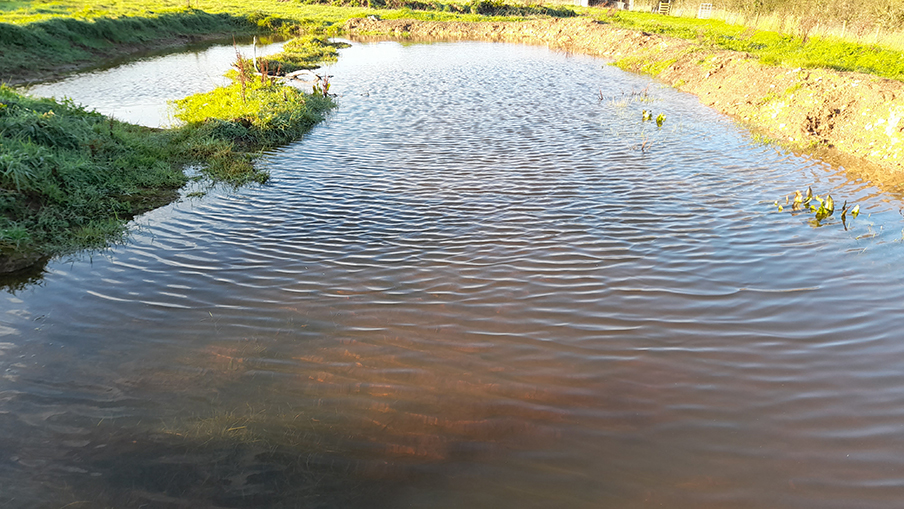 |
||||||||||||||||||||||||||||||
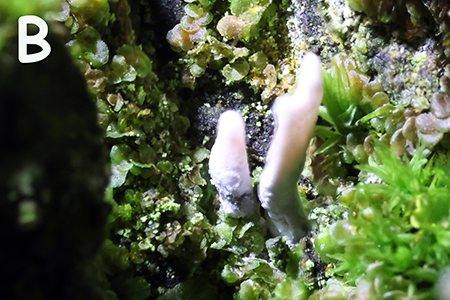
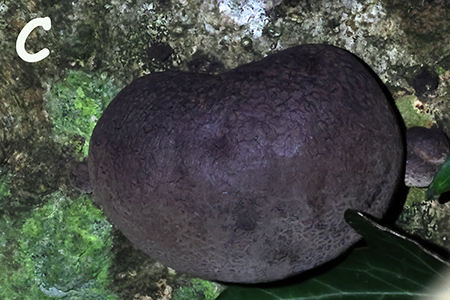
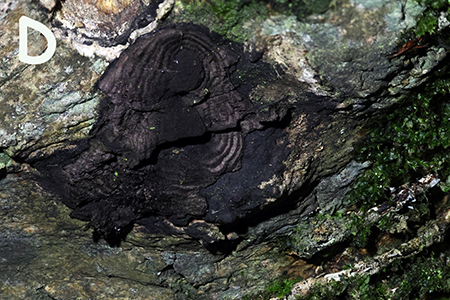
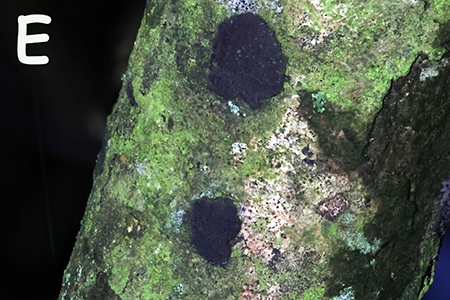
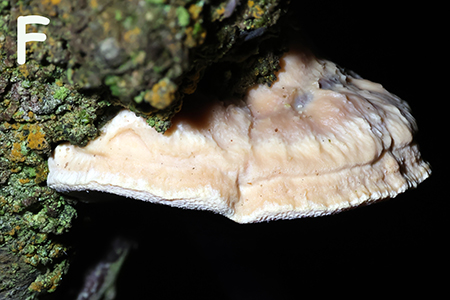
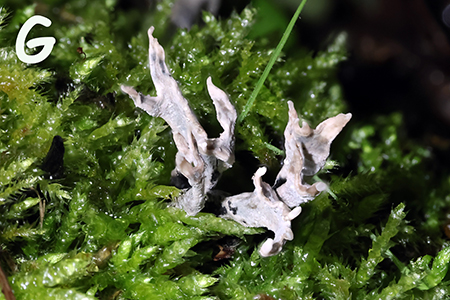
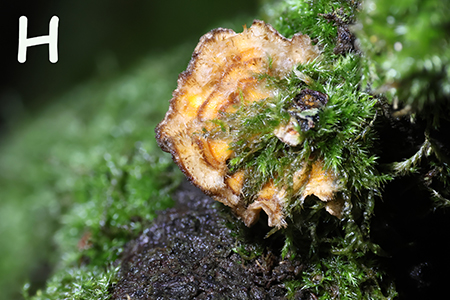
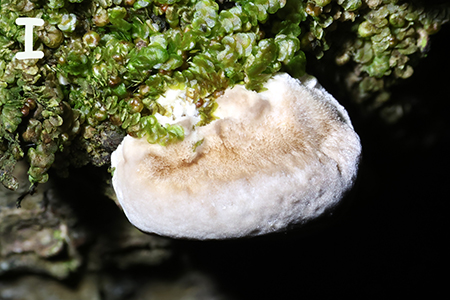
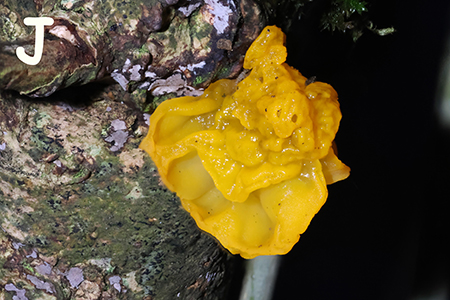
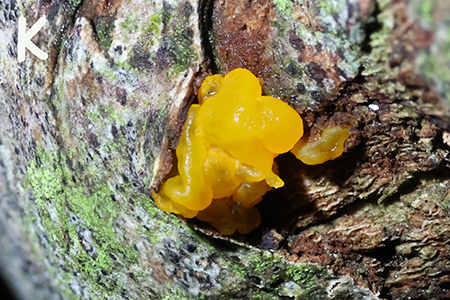
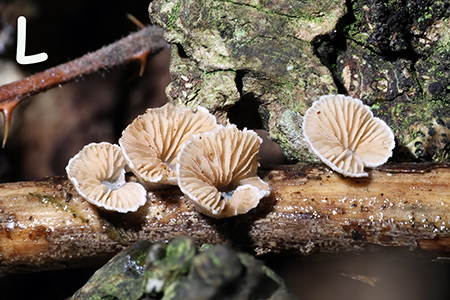
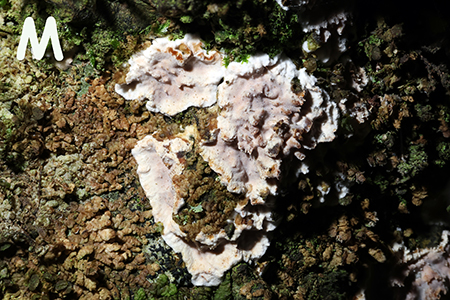
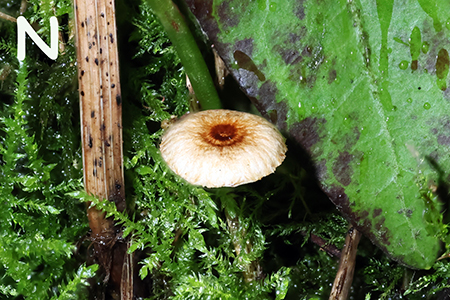
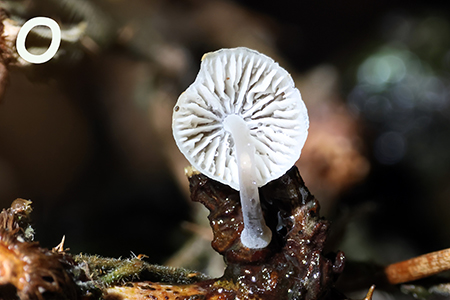
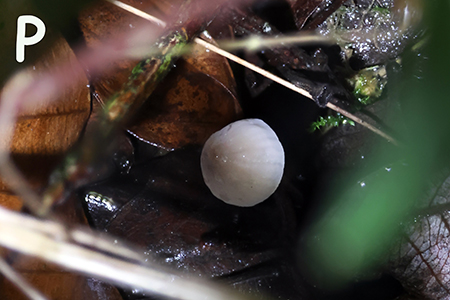
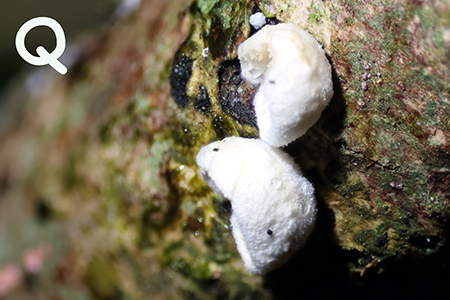
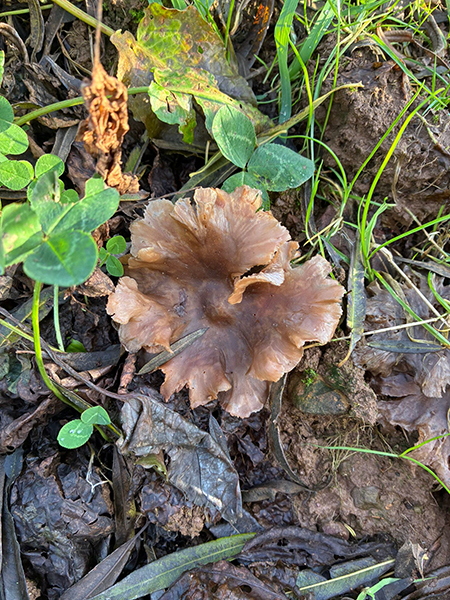
29th: We have set a Fungi Treasure Hunt for tomorrow...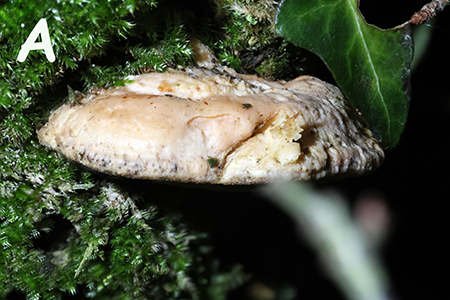
  |
||||||||||||||||||||||||||||||
|
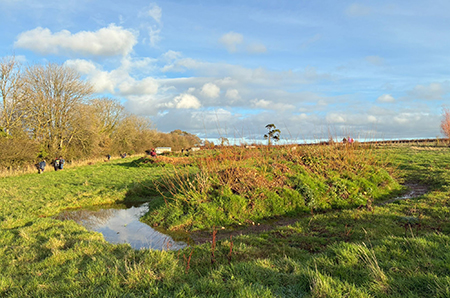
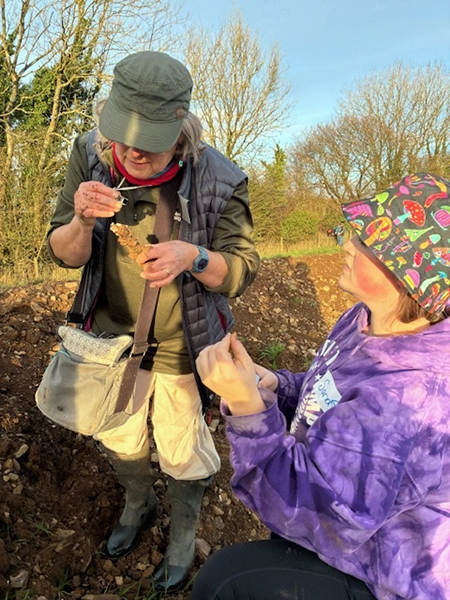
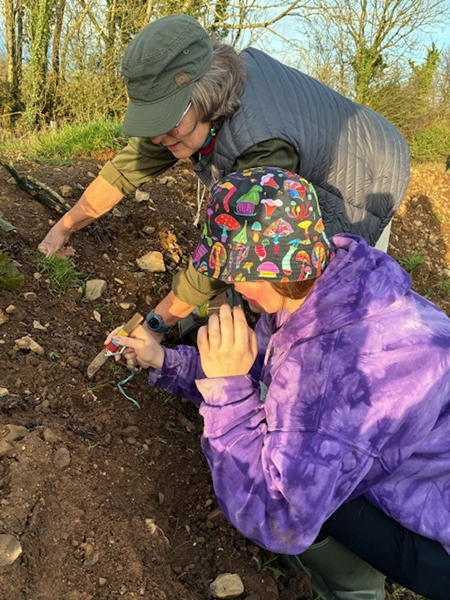
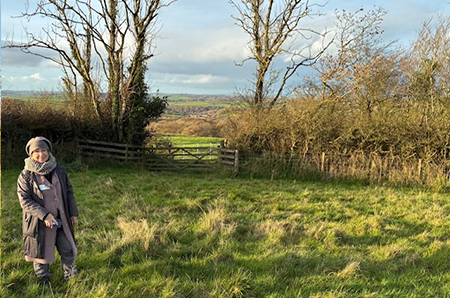
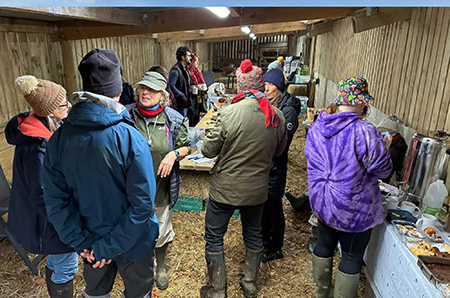
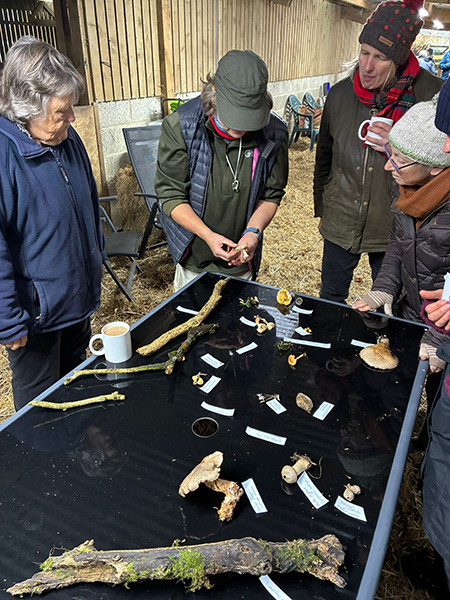
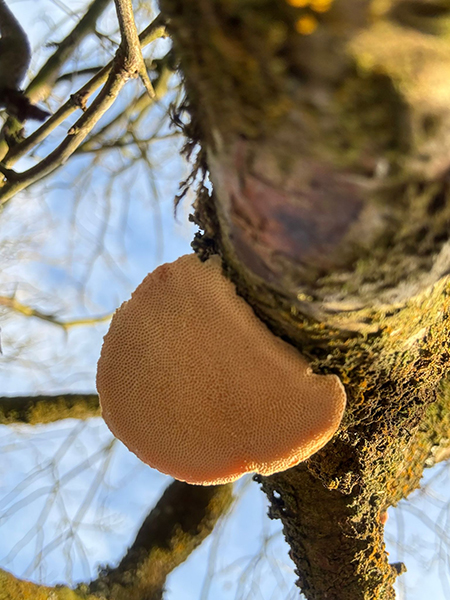
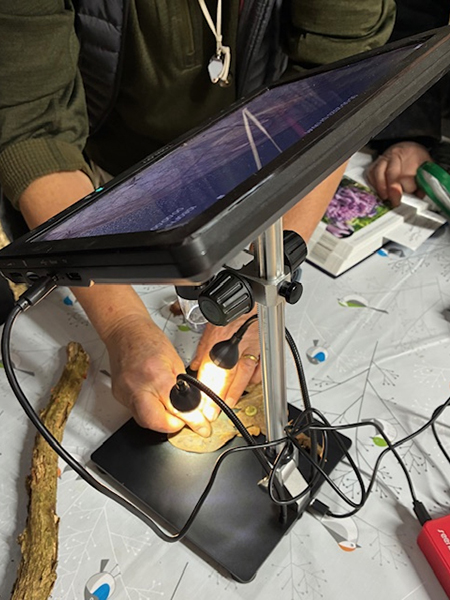
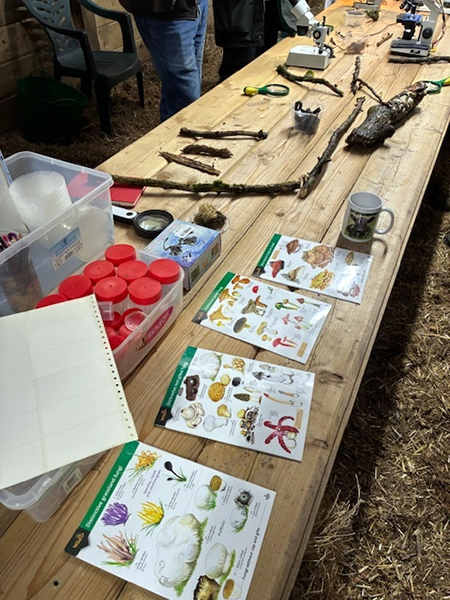
30th: Fungi Afternoon with Liz Crow A truly fabulous day here on The Relaxed Sanctuary learning all about fungi with the amazing Liz Crow. We had a communal walk round with Liz followed by going into smaller groups on a pre-set-up Fungus Hunt (or Hungus Funt as Jack said in her intro 🤣), before heading back to the barn for refreshments and an amazing microscope session. HUGE thanks to everyone who came (all 15 of you), to Liz for her knowledge, passion and enthusiasm and also to those beings in charge of the weather!! It was a STUNNINGLY sunny afternoon. Next month we are making wreaths and then next year we have more crafts, pond dipping, bat walks, mothing, plant and grasses workshop and several speakers, including the wonderful Stephen Powles: wildlife photographer and story-teller. Keep an eye on our website for more... Also very pleased to announce that some of the monies raised today will be going to Devon Wildlife Trust. Many thanks to today's group for the photos. 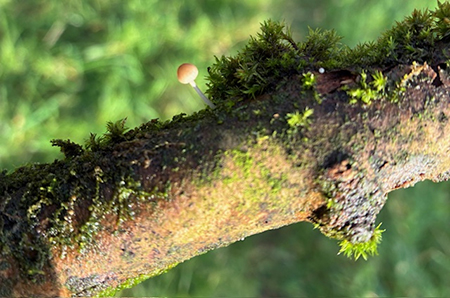
  |